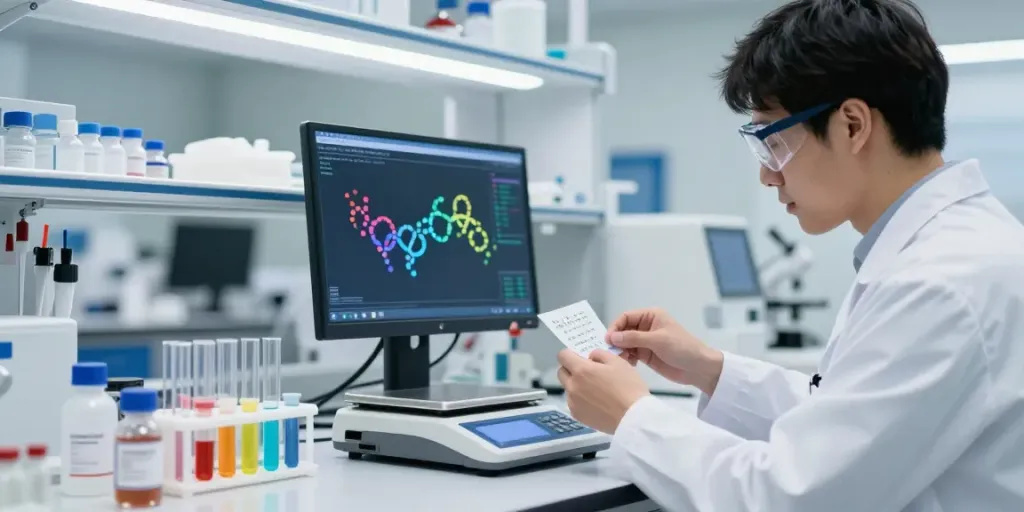
Understanding the Basics of Peptides and Their Costs
Peptides, often described as short chains of amino acids, play a crucial role in biological processes and have garnered attention in both the scientific community and consumer markets. As more individuals explore the potential benefits of peptides for health, fitness, and wellness, questions naturally arise about how much are peptides and what factors influence their pricing. This article delves into the various aspects of peptides, their functions, pricing paradigms, and the key elements that affect costs.
What Are Peptides and Their Functions?
Peptides are compounds made up of amino acids, which are the building blocks of proteins. They can be naturally occurring or synthetic and serve a wide range of functions in the body. These functions include:
- Hormonal regulation: Many peptides act as hormones that regulate bodily functions, such as insulin, which controls blood sugar levels.
- Cell signaling: Peptides can function as signaling molecules, communicating between cells to trigger processes like growth and healing.
- Immune function: Certain peptides boost the immune response by enhancing the activity of immune cells.
- Muscle growth and recovery: In fitness contexts, peptides like growth hormone-releasing peptides (GHRPs) are sought after for their potential to enhance muscle growth and recovery.
Overview of How Much Are Peptides in Different Markets?
The pricing of peptides varies significantly across different markets, influenced by factors such as purity, branding, and application. For instance, research peptides may cost anywhere from $20 to over $300 for a vial, depending on the specific peptide and its intended use. Moreover, therapeutic peptides like those used in medical treatments often range from hundreds to thousands of dollars based on dosage and treatment protocols.
Key Factors Influencing Peptide Pricing
Several factors contribute to the pricing of peptides, including:
- Purity and Quality: Higher purity peptides tend to come with a higher price tag due to the costs associated with more rigorous manufacturing processes and quality controls.
- Supplier Reputation: Established suppliers with a history of quality and safety may charge more for their products compared to lesser-known brands.
- Market Demand: Increased interest and demand in specific peptides can drive up prices, especially in competitive markets.
- Manufacturing Costs: The complexity of synthesizing certain peptides can lead to increased costs, which translate into higher prices for consumers.
Types of Peptide Therapies and Corresponding Costs
Common Peptides and Their Market Prices
Different peptides serve various therapeutic and research purposes, and their prices vary accordingly. Here are some common peptides and a general overview of their market prices:
- BPC-157: Known for its regenerative properties, prices generally range from $20 to $80 per vial.
- TB-500: This peptide is often used for recovery and healing, costing between $30 and $150 depending on the supplier.
- GHRP-6: Commonly used in bodybuilding, prices vary from $50 to $100 per vial.
- Melanotan II: A peptide for skin tanning, it ranges from $40 to $100 per vial.
Prescription vs. Over-the-Counter Peptides
Peptides can be divided into two main categories: prescription and over-the-counter (OTC). Prescription peptides are typically intended for medical use and often require a healthcare provider's oversight, which can significantly affect their pricing. OTC peptides, often marketed as supplements, tend to be more accessible and may cost less, but they could also vary widely in quality and efficacy.
Comparative Analysis of Peptide Costs by Type
A comparative analysis shows the costs associated with various peptide types:
Peptide TypePrice Range (Approx.)Therapeutic Peptides$200 - $2,000+Research Peptides$20 - $300Supplemental Peptides$30 - $100
How to Compare Prices Effectively
Utilizing Price Comparison Tools
In today's digital age, many tools and websites allow consumers to compare peptide prices effectively. Using a price comparison portal can not only save time but also ensure you are getting the most competitive rates. Look for platforms that present live rankings across retailers, effective prices, and available discounts.
Understanding Discounts, Coupons, and Bonuses
Many suppliers offer discounts, coupons, or loyalty bonuses, which can significantly impact the overall cost of buying peptides. Always check for any current promotions before making a purchase to ensure you are getting the best deal.
Real User Experiences Comparing Peptide Prices
User reviews and testimonials can provide valuable insights into the pricing landscape. Online forums and product review sites can shed light on where to find the best prices and warn against purchasing from dubious sources.
Addressing Myths and Misconceptions
Do All Peptides Offer Similar Benefits?
A common misconception is that all peptides provide the same benefits. In reality, the efficacy and advantages of peptide therapies can vary widely, depending on the specific peptide's properties and intended use.
Are Higher-Priced Peptides Always Better?
Price alone does not equate to quality. While some higher-priced peptides may offer superior purity and results, always conduct thorough research on the supplier's reputation and product reviews before making a purchase.
Common Misunderstandings About Peptide Safety and Legality
Many people are often unsure about the safety and legality of peptides. It is essential to differentiate between research peptides and those intended for therapeutic use, as the regulatory status and potential health implications can vary greatly.
Future Trends in Peptide Pricing and Availability
Predictions for Peptide Costs in 2026 and Beyond
As the peptide market continues to expand, costs are expected to fluctuate based on advancements in research, manufacturing technologies, and regulatory changes. For instance, increased competition among suppliers may drive prices down, while innovations in peptide therapy could create demand for more specialized and potentially pricier products.
The Impact of Regulation Changes on Pricing
Changes in regulations surrounding peptide therapies can lead to significant shifts in pricing. Stricter regulations may increase manufacturing costs, which could be passed on to consumers. On the other hand, regulatory clarifications might allow for more affordable access to certain peptides.
Emerging Peptide Treatments and Their Potential Costs
New approaches to peptide therapies are continuously being researched. As novel peptides emerge into the market, their pricing will depend on factors like research funding, clinical trial outcomes, and market demand.
How Can I Stay Informed on Market Changes?
To stay updated on peptide market trends, consider subscribing to industry newsletters, following research articles, and engaging with professional communities online. Regularly reviewing credible resources will help you make informed decisions regarding peptide purchases.
Are There Plans for Price Reductions in the Peptide Market?
While no guarantees exist, industry experts predict that advancements in peptide synthesis and production could lead to overall price reductions as technology improves and competition increases in the coming years.