Understanding Drain Cleaning Techniques
Drain cleaning is a crucial maintenance task that ensures the smooth operation of your plumbing system. For homeowners and businesses alike, understanding the various techniques available can significantly impact the longevity and functionality of your drains. With the right knowledge, you can prevent clogs and avoid costly repairs. In Fort Worth, effective drain cleaning Fort Worth services are essential for maintaining the health of your plumbing infrastructure.
What is Drain Cleaning?
Drain cleaning refers to the process of removing debris and blockages from your plumbing system to ensure that water flows freely through pipes. This service encompasses a variety of methods, including mechanical, chemical, and hydro-jetting techniques. Each method addresses different types of clogs and should be chosen based on the specific issue at hand. Regular drain cleaning not only resolves current issues but also aids in preventing future clogs.
Importance of Regular Maintenance
Regular maintenance is vital for drain systems, as neglected pipes can lead to severe plumbing issues. The importance of routine drain cleaning cannot be overstated, as it helps in:
- Preventing costly emergencies caused by severe blockages.
- Improving overall drain efficiency and lifespan of pipes.
- Reducing unpleasant odors from stagnant water.
- Minimizing health risks associated with mold and bacteria proliferation.
Common Causes of Clogs
Understanding the common culprits of clogs is essential for effective prevention. Some of the most frequent causes include:
- Hair accumulation in bathroom drains.
- Grease buildup in kitchen sinks.
- Food debris that escapes into the drain.
- Foreign objects accidentally flushed down the toilet.
A proactive approach to cleaning and maintenance can help mitigate these issues before they escalate.
Tools of the Trade: Essential Equipment
Equipped with the right tools, professionals can effectively tackle even the most stubborn clogs. The selection of tools varies based on the severity and location of the blockage. Here’s an exploration of essential equipment used in drain cleaning.
High-Pressure Drain Cleaning Machines
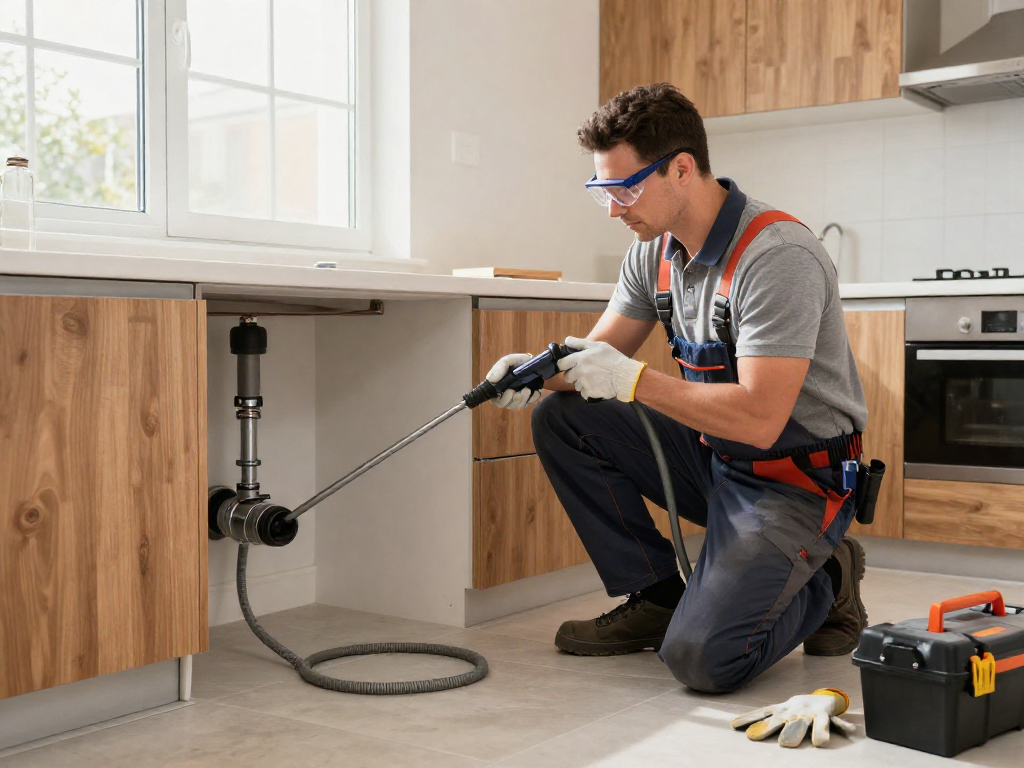
High-pressure drain cleaning machines utilize powerful jets of water to dislodge clogs and flush debris from pipes. This method is particularly effective for tackling tough blockages, such as tree roots or heavy grease. The versatility of high-pressure systems makes them a preferred choice among plumbing professionals.
Traditional vs. Modern Tools
While traditional tools like augers and drain snakes are still in use, modern technology has introduced more efficient options. For example, video inspection equipment allows plumbers to see inside pipes, enabling precise location and identification of blockages. This innovative approach minimizes unnecessary digging or invasive techniques.
Safety Equipment for Professionals
Safety is paramount in drain cleaning. Professionals are equipped with protective gear, including gloves, goggles, and masks, to safeguard against harmful bacteria and chemicals. Proper training in using drain cleaning equipment is also essential to prevent accidents and injuries.
Step-by-Step Drain Cleaning Process
To achieve optimal results in drain cleaning, following a structured process is critical. This ensures thoroughness and effectiveness in addressing clogs.
Initial Inspection and Assessment
The first step involves a thorough inspection of the drain system. Plumbers often utilize video cameras to assess the condition of the pipes and identify the nature of the blockage. This step is crucial for determining the most effective treatment method.
Effective Usage of Drain Cleaning Tools
Once the assessment is complete, the selected tools are employed based on the clog's nature. For instance, high-pressure jets may be used for severe blockages, while hand-held augers may suffice for minor clogs. Each tool has specific operational techniques that professionals are trained to execute.
Post-Cleaning Maintenance Tips
After cleaning, maintaining the drains is vital to prevent future issues. Homeowners can implement measures such as:
- Using drain screens to catch debris.
- Regularly flushing drains with hot water to dissolve grease.
- Scheduling routine inspections and cleanings with professionals.
Implementing these practices can extend the lifespan of your plumbing system significantly.
Choosing the Right Plumbing Service
When faced with persistent drain issues, selecting the right plumbing service is critical. Not all companies offer the same level of expertise and service quality, so it's essential to make an informed choice.
What to Look for in a Plumbing Company
When searching for plumbing services, consider the following criteria:
- Licensing and insurance to protect against potential liabilities.
- Experience and specialization in drain cleaning.
- Customer reviews and testimonials for firsthand insights.
Questions to Ask Before Hiring
Before committing to a plumbing service, ask questions that clarify their capabilities and approach, such as:
- What methods do you use for drain cleaning?
- How do you assess and diagnose drain issues?
- What safety measures do you have in place?
Evaluating Service Cost vs. Quality
While price is a significant consideration, it shouldn't overshadow the quality of service. Evaluate estimates against the company’s reputation and quality of service to ensure you receive value for your money.
Future of Drain Cleaning in 2026
The plumbing industry is rapidly evolving, influenced by technological advancements and changing consumer preferences. Understanding these trends can prepare homeowners and professionals alike for the future of drain cleaning.
Emerging Technologies in Drain Cleaning
In 2026, expect to see even greater integration of technology in drain cleaning processes. Innovations such as AI-driven diagnostic tools and robotic cleaning instruments are on the horizon, promising efficiency and enhanced accuracy in locating and addressing clogs.
Environmental Considerations
As environmental awareness increases, eco-friendly drain cleaning solutions are gaining popularity. Biodegradable chemical agents and water-efficient cleaning techniques will likely become standard practices in the industry, aligning with sustainability goals.
Predicting Changes in Consumer Preferences
The future consumer is becoming more informed, seeking transparency and quality over quick fixes. Plumbing companies that prioritize customer education and environmentally responsible practices will likely thrive amid this shift.
How to Maintain Healthy Drains?
Maintaining healthy drains should be a shared responsibility among homeowners. Regular cleaning, combined with mindful disposal practices, can significantly reduce blockage risks. Creating a routine that includes preventive measures is key.
Can DIY Cleaning Methods Suffice?
While some minor clogs can be addressed through DIY methods using plungers or baking soda and vinegar mixtures, significant blockages typically require professional intervention. Recognizing when to call an expert is crucial for preventing further damage.
When Should You Call a Professional?
If you notice persistent slow drainage, foul odors, or recurring blockages, it’s time to contact a plumbing professional. Early intervention can save homeowners from costly repairs and extensive plumbing issues.