
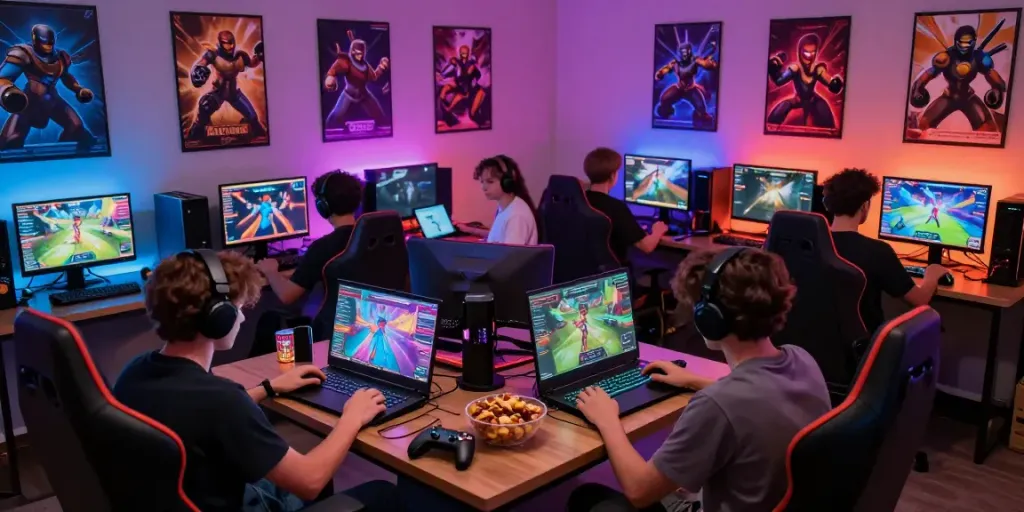
The Rise of Online Gaming in 2026
The online gaming landscape has undergone a dramatic transformation in recent years, particularly as we move into 2026. With advances in technology, changing player demographics, and an increased emphasis on social connectivity, the game online arena has evolved into a vibrant community that transcends traditional gaming platforms. Players from around the globe are now able to engage in immersive experiences that go beyond mere entertainment—shaping social interactions and boosting mental well-being.
Understanding the Game Online Trend
The increasing popularity of online gaming can be attributed to several factors, including advancements in internet speed and accessibility, which have made it easier for people to connect and play together from different locations. This trend aligns with a growing demand for interactive entertainment that allows for collaborative gameplay, making it an ideal choice for those looking to socialize while enjoying their favorite pastime.
Moreover, the rise of mobile gaming has changed how we perceive online gameplay. With smartphones offering versatile options for gaming, players can engage in their favorite games anytime and anywhere, encouraging more participation among various age groups. Data from recent studies indicate that mobile gaming continues to dominate, with over 55% of online gamers preferring mobile platforms over consoles and PCs.
Key Demographics and Player Engagement
Understanding the demographics of online gamers is essential for developers who aim to create engaging experiences. The age group of 18-34 remains the largest demographic, accounting for nearly 50% of active players. However, recent trends show a significant increase in the 35-54 age range, which has more than doubled in participation over the last five years. Furthermore, women comprise almost 50% of the gaming population, challenging the long-held stereotypes of gaming being predominantly male-oriented.
Player engagement has also seen remarkable growth. The implementation of social features such as chat systems, guilds, and cooperative missions enables players to forge meaningful connections, enhancing the gaming experience. Gamers are no longer just passively playing; they're actively participating in vibrant communities that foster friendship and teamwork.
Comparison with Traditional Gaming
When comparing online gaming with traditional console or PC gaming, several key differences emerge. Traditional gaming is often a solitary experience, while online gaming encourages social interaction and collaboration. This shift has redefined what it means to play games. Online platforms offer extensive social features that allow players to communicate in real-time, further enriching their experiences.
Moreover, the accessibility of online games, often free-to-play or low-cost, contrasts with the high price of consoles and games that traditional gaming requires. This economic factor makes online gaming more appealing to a broad audience, removing barriers to entry and fostering a diverse player base.
The Social Benefits of Multiplayer Gaming
While gaming is often perceived as an individual pursuit, multiplayer gaming offers significant social benefits that contribute to mental and emotional well-being. In 2026, countless studies support the notion that playing games online can enhance social skills, stimulate cognitive development, and even improve mood.
Building Friendships Through Game Online
One of the most significant advantages of gaming online is the opportunity to form friendships with individuals from various backgrounds globally. Games often create common ground for players, making it easier to connect and establish long-lasting relationships. Whether through cooperative missions or competitive matches, players often find camaraderie in shared experiences, which can lead to genuine friendships that extend beyond the screen.
Community Engagement and Teamwork
Online gaming fosters community engagement through collaborative gameplay. Many games encourage players to work together to achieve common goals, creating a sense of belonging. In 2026, we see more games integrating community events and challenges, allowing players to unite for charity drives, tournaments, and other social causes, which further strengthens community ties.
Impact on Mental Health and Wellbeing
Engaging in online gaming can be beneficial for mental health when approached wisely. Multiplayer games often provide players with a sense of purpose and achievement, reducing feelings of loneliness and isolation. Participating in team-based gameplay has been linked to enhanced mood and increased self-esteem. However, it's essential for players to maintain a balance to avoid potential drawbacks such as gaming addiction.
Best Practices for Safe Online Gaming
As online gaming becomes increasingly popular, understanding safety practices is crucial for players of all ages. Ensuring a secure gaming experience protects personal information and promotes positive interactions within gaming communities.
Protecting Personal Information While Playing
Players should prioritize their online safety by using strong, unique passwords and enabling two-factor authentication. It's also advisable to avoid sharing personal information, such as real names, locations, or financial details, within gaming environments. Recent breaches highlight the importance of maintaining privacy and being knowledgeable about how data can be compromised.
Recognizing Toxic Behavior
Unfortunately, toxic behavior can be prevalent in gaming communities. Players should be vigilant in recognizing signs of harassment, bullying, or trolling. Most games offer reporting tools to address such behavior, and players should utilize these resources to contribute to a healthier gaming environment. Remember, it’s essential to foster inclusivity and respect, ensuring that gaming remains a fun and welcoming space for everyone.
Setting Healthy Gaming Boundaries
Establishing gaming schedules and understanding personal limits can protect against excessive gaming. Players should set boundaries to ensure they maintain a healthy balance between gaming and other responsibilities or interests. Taking regular breaks and engaging in offline activities can enhance overall well-being while still allowing for enjoyable gameplay.
Future Trends in Online Gaming
The future of online gaming looks promising as technology continues to advance and shape the industry's landscape. Innovations are set to introduce more immersive experiences, redefining how players engage with each other and the games themselves.
Virtual Reality and Immersive Experiences
One of the most exciting trends in online gaming is the rise of virtual reality (VR). By 2026, VR technology has become more accessible, allowing players to step into their favorite games like never before. This immersive experience fosters deeper connections with in-game environments and other players, creating a more engaging and lifelike gaming experience.
Advancements in Game Technology
With the rapid evolution of graphics and processing capabilities, the gaming industry is witnessing significant improvements in game quality. Enhanced graphics engines and AI-driven gameplay are making games more realistic and responsive, attracting players who seek lifelike experiences. Additionally, cloud gaming has made it easier to access high-quality games without needing expensive hardware, broadening the audience significantly.
Predicting the Evolution of Online Communities
As online gaming communities continue to flourish, we can anticipate the emergence of new social dynamics and interactions. Developers are focusing on creating spaces that foster inclusiveness and diversity, while also implementing features that promote positive engagement among players. The increased collaboration between game developers and communities allows for a more tailored gaming experience that caters to the specific interests and preferences of players.
FAQs about Online Gaming
What are the most popular game online genres in 2026?
As of 2026, the most popular genres of online games include battle royale, MMORPGs (Massively Multiplayer Online Role-Playing Games), and team-based shooters. Additionally, narrative-driven games that emphasize player choice are gaining traction.
How can I make friends while gaming online?
Joining online communities, participating in team-based games, and engaging in social platforms associated with your favorite games can help you make friends while gaming. Building connections through cooperation and shared interests enhances your social network.
What safety measures should I take when gaming online?
Always protect your personal information, use strong passwords, and report any negative behavior. Understanding and following game-specific guidelines also ensures a safer experience.
How does online gaming influence social skills?
Playing online games can enhance communication, teamwork, and conflict resolution skills as players engage with one another in various forms of gameplay.
What trends can we expect in the gaming industry?
Future trends include the integration of VR technology, advancements in game graphics, and the evolution of online communities to promote inclusiveness and positive social interaction.