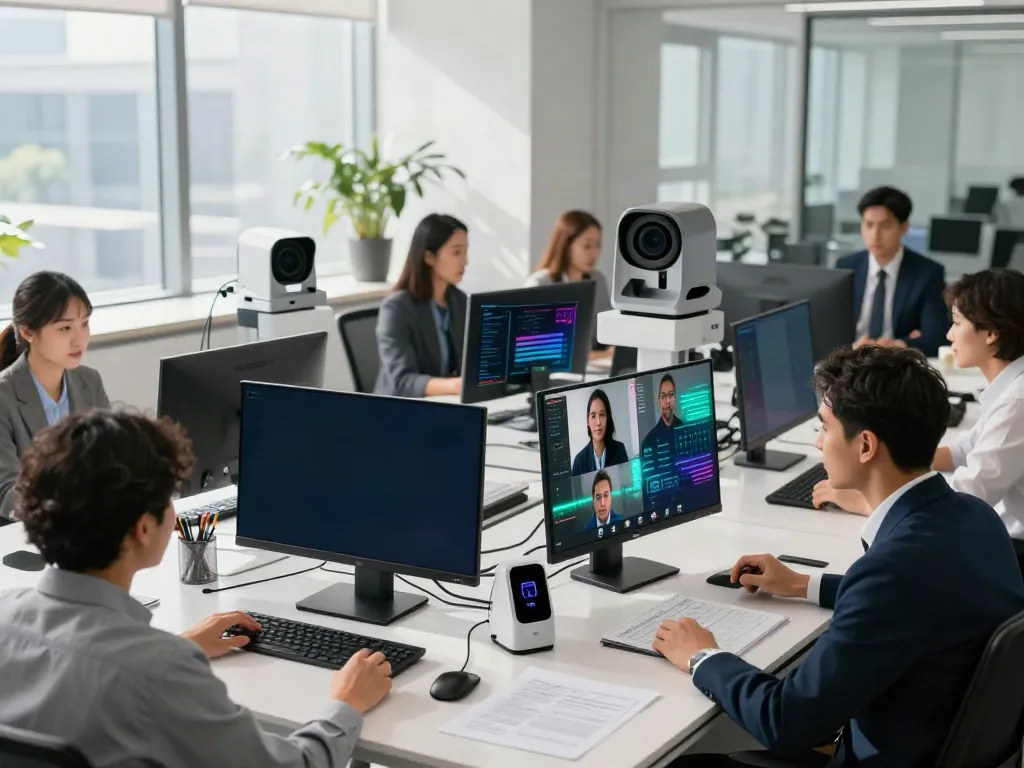
Understanding Deepfake Technology and Its Implications
In the fast-paced world of digital communication, the emergence of deepfake technology has transformed the landscape of professional interactions. This innovative yet alarming technology uses artificial intelligence to create realistic fake videos and audio recordings that can convincingly mimic real individuals. As we navigate through 2026, the concern over deepfake threats, particularly in virtual meetings, has escalated. With the rise of remote work, organizations must proactively secure their communication channels to protect sensitive information and maintain trust among stakeholders. In this context, Deepfake-protected meetings are becoming essential for mitigating risks associated with this technology.
What Are Deepfake-Protected Meetings?
Deepfake-protected meetings refer to virtual gatherings that incorporate advanced security measures specifically designed to detect and combat deepfake technology. These meetings utilize AI-driven tools to verify the identity of participants and ensure the authenticity of video and audio feeds. By implementing such protective measures, organizations can significantly reduce the risks posed by deepfake impersonation, which can lead to fraud, misinformation, or even corporate espionage.
The Rise of Deepfake Threats in Professional Environments
The proliferation of deepfake technology is creating significant challenges for businesses worldwide. In 2025 alone, a study indicated that more than 30% of organizations reported experiencing deepfake-related incidents during video conferences. These threats extend beyond mere impersonation; they can disrupt decision-making processes and damage reputations. As remote work continues to dominate, the risk of deepfakes infiltrating professional environments grows exponentially.
Legal and Ethical Considerations Surrounding Deepfakes
As the technology evolves, so do the legal frameworks governing its use. Many jurisdictions are scrambling to establish laws that address the implications of deepfake technology, especially concerning defamation, consent, and privacy. Ethical considerations are also at the forefront of this discussion. Organizations must navigate the fine line between utilizing AI for innovation and ensuring they do not breach ethical guidelines or infringe on individual rights.
Identifying Vulnerabilities in Virtual Meetings
Recognizing the vulnerabilities in virtual meetings is crucial for any organization aiming to foster a secure digital environment. Understanding the signs of deepfake impersonation, current technological gaps, and potential risks can empower businesses to take proactive steps toward securing their communication platforms.
Common Signs of Deepfake Impersonation
While deepfake technology has advanced, certain signs can help identify impersonation attempts. Look for:
- Inconsistent facial movements: Deepfakes often struggle to replicate natural facial animations, leading to discrepancies.
- Audio-visual sync issues: Mismatched audio and video can indicate manipulation.
- Unnatural lighting: Shadows and lighting may not align realistically with the surrounding environment.
Technological Gaps in Current Meeting Platforms
Many existing virtual meeting platforms lack robust security features to detect deepfakes. While platforms have enhanced their encryption and access controls, they often fall short in integrating advanced AI detection tools. This technological gap can leave organizations vulnerable to deepfake attacks, emphasizing the need for dedicated solutions.
Assessing Risks for Businesses and Individuals
The risks posed by deepfakes extend beyond financial losses; they can jeopardize brand reputations and erode client trust. Attackers can use deepfake technology to manipulate key stakeholders, create misinformation, or engage in fraud. Individuals may also face personal threats, as deepfake technology can exploit their likeness for malicious purposes.
Best Practices for Securing Video Conferences
Establishing robust security protocols is essential for safeguarding virtual meetings. By implementing a series of best practices, organizations can enhance their defense against deepfake threats.
Implementing Multi-Factor Authentication Techniques
Multi-factor authentication (MFA) is a critical security measure that requires users to provide two or more verification factors to gain access to a meeting. This could include something they know (like a password), something they possess (like a mobile device), or something inherent to them (such as a biometric scan). Implementing MFA can significantly reduce the risk of unauthorized access.
Utilizing Advanced Technology for Detection
Investing in advanced deepfake detection technology is paramount. Tools that use AI to analyze video and audio feeds in real-time can identify inconsistencies and potential manipulations. Regular training and updates on these technologies can help security teams stay ahead of increasingly sophisticated deepfake methods.
Establishing Protocols for Identity Verification
Before each meeting, organizations should establish clear protocols for identity verification. This could involve checking visual cues, confirming participant identities through pre-meeting communications, or using unique meeting codes provided in advance. Such practices can help ensure that all participants are who they claim to be.
Case Studies: Successful Deepfake Prevention
Analyzing successful prevention strategies can offer valuable insights into the effectiveness of various security measures. Organizations that have actively engaged in deepfake protection have documented their experiences and results.
How Companies Have Thwarted Deepfake Attacks
Numerous companies have reported successful prevention of deepfake attacks by integrating comprehensive security protocols into their meeting practices. For instance, a leading financial institution implemented a layered security approach that coupled advanced authentication techniques with AI detection tools, resulting in zero deepfake incidents within their operations over the past year.
Lessons Learned from High-Profile Incidents
High-profile incidents involving deepfakes have provided crucial lessons for organizations. Following a notorious case where a CEO's likeness was digitally replicated to authorize a fraudulent transaction, the affected company implemented stricter verification protocols. This incident underscored the importance of maintaining robust security mechanisms and employee training to recognize potential threats.
Innovative Approaches by Industry Leaders
Several industry leaders are pioneering innovative approaches to combat deepfake threats. By collaborating with cybersecurity firms, they are developing proprietary software that integrates deepfake detection and authentication tools directly into virtual meeting platforms. These initiatives aim to establish a higher standard for security across the industry.
Future Trends in Deepfake Security for 2026
As we look toward the future, emerging technologies and predicted trends will play a pivotal role in shaping the defense against deepfake threats.
Emerging Technologies Enhancing Meeting Security
2026 is likely to witness the introduction of more sophisticated technologies designed to combat deepfakes. Innovations such as quantum encryption, biometric identification systems, and AI-driven analysis tools will enhance security protocols, making virtual meetings safer for all participants.
Predictions for Deepfake Warfare in Business
Experts predict that deepfake warfare—where organizations use deepfake technology against competitors—will become more prevalent. Businesses will increasingly find themselves in a cyber arms race, developing new strategies and technologies to protect their interests and combat misinformation.
Preparing for Legal and Regulatory Changes
With the continual evolution of deepfake technology, legislators are expected to introduce more robust legal frameworks aimed at mitigating its risks. Organizations must stay informed about potential legal changes and prepare to adapt their compliance strategies accordingly. This will ensure they remain ahead of regulatory requirements and protect themselves from legal repercussions.
How Can You Detect a Deepfake in Meetings?
To effectively detect deepfakes in meetings, participants should be trained to recognize the subtle signs of manipulation. Utilizing both AI detection tools and human intuition remain crucial, as technology alone cannot catch everything. Regular workshops and training sessions can empower employees to spot potential deepfakes during meetings.
What Technologies Are Available for Deepfake Protection?
There are numerous technologies available that are specifically designed for deepfake protection. From real-time monitoring software to platforms that provide user authentication and security validations, organizations have an array of tools at their disposal to safeguard their meetings.
What Are the Legal Implications of Deepfakes?
The legal implications surrounding deepfakes are complex and rapidly evolving. Organizations must be vigilant in understanding their liabilities when it comes to the use of deepfake technology, especially as courts begin to rule on cases involving digital impersonation. Consulting with legal experts can help businesses navigate these issues.
How Do I Secure My Virtual Meetings Effectively?
Securing virtual meetings effectively involves a combination of advanced technology, employee training, and established security protocols. Consistently reviewing and updating security measures can help ensure that organizations stay ahead of potential threats.
What Should I Do If I Suspect a Deepfake Incident?
If you suspect a deepfake incident, it is essential to act quickly. Gather evidence of the suspicious content, notify your organization's security team, and consider engaging with cybersecurity professionals who specialize in deepfake detection.