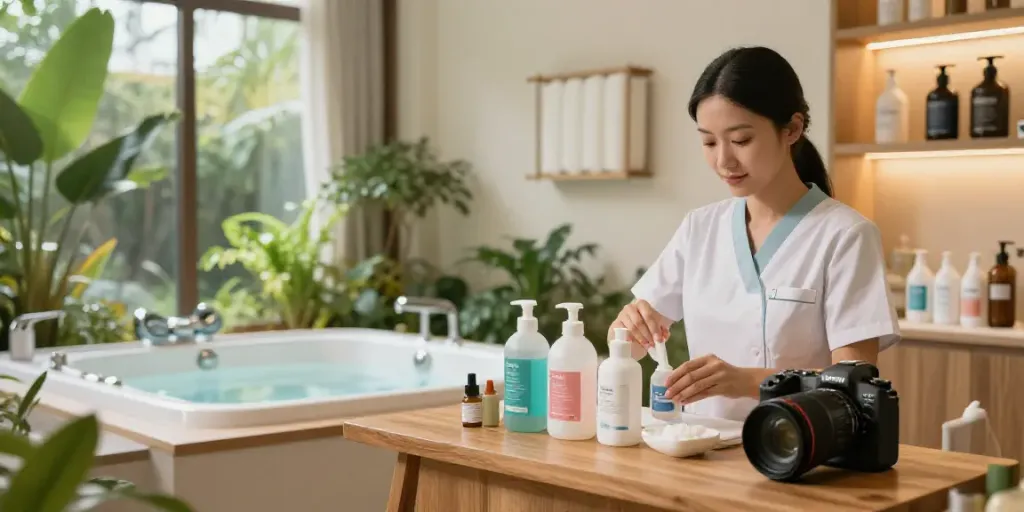
Understanding Spa Filters and Chemicals
As spa owners, maintaining a clean and enjoyable environment for relaxation is paramount. Understanding spa filters and chemicals is essential to keep your spa in peak condition. In Sydney's diverse climate, factors such as humidity and temperature variations can significantly impact water quality. This article explores the importance of selecting the right spa filter and chemicals while providing comprehensive information to ensure your spa remains a sanctuary of tranquility.
When exploring options, Spa Filter & Chemical Sydney services can provide comprehensive insights into the best practices and products available in the market.
What are Spa Filters?
Spa filters are critical components designed to remove impurities, debris, and contaminants from the water. They work by circulating water through a filter material, trapping particles and allowing clean water to flow back into the spa. Understanding the various types of filters will help you choose the best one for your spa.
Types of Spa Chemicals
Maintaining the right chemical balance is crucial for the health and safety of spa users. Common types of spa chemicals include:
- Sanitisers: Chemicals like chlorine and bromine that kill bacteria and viruses.
- pH Balancers: Products that help maintain stable pH levels, ensuring water is not too acidic or alkaline.
- Alkalinity Increasers: These help stabilize pH levels and protect equipment from corrosion.
- Clarifiers: Chemicals that assist in eliminating tiny particles from water, making it clear and inviting.
- Shock Treatments: Used to oxidize contaminants and restore water clarity.
The Importance of Chemical Balance
Maintaining a proper chemical balance in your spa is essential for optimal performance and user safety. Imbalances can lead to skin irritations, equipment damage, and unpleasant odors. Regular testing and adjustment of chemical levels will ensure a safe and enjoyable experience for all users.
Common Issues with Spa Filters in Sydney
Signs of Filter Malfunction
Recognizing the signs of a malfunctioning filter can save you headaches and expenses. Common indicators include:
- Cloudy or dirty water despite regular cleaning.
- Unusual noises coming from the pump.
- Low water flow or pressure issues.
- Frequent need for chemical adjustments.
Chemical Imbalances: Causes and Effects
Chemical imbalances can arise from various factors, including:
- Temperature fluctuations: High heat can increase chemical reactions in the water.
- Environmental debris: Leaves, dust, and pollen can introduce contaminants.
- Frequency of use: More users can lead to quicker chemical degradation.
Effects of imbalances include skin irritations, algae growth, and cloudy water. Regular testing can prevent these issues.
Local Environmental Factors Affecting Spa Maintenance
Sydney's unique climate poses specific challenges for spa maintenance. From the humid summer months to cool winters, understanding local environmental factors is crucial. High humidity can accelerate chemical degradation, while lower temperatures can slow down filtration efficiency. Staying informed and adapting your routine will ensure your spa remains in top condition year-round.
Choosing the Right Spa Filter & Chemicals
Factors to Consider When Selecting Filters
When selecting a filter for your spa, consider the following:
- Type of Filter: Cartridge, sand, or diatomaceous earth filters each have their unique benefits and drawbacks.
- Filter Size: Ensure the filter system matches the size of your spa for optimal performance.
- Maintenance Needs: Some filters require more frequent cleaning and replacement than others.
Recommended Chemical Products in Sydney
Choosing quality spa chemicals is essential for effective maintenance. Look for products that are specially formulated for spas and are available locally. Brands like Spa Clear and Spa Fresh offer a range of products tailored to Sydney's water quality and environmental conditions.
Pricing and Value Comparison
Understanding the costs associated with spa maintenance can help you budget effectively. Compare prices of filters and chemicals from various suppliers to find the best deals. Investing in reliable and high-quality products may offer better long-term value, reducing the frequency of replacements and chemical adjustments.
DIY Spa Maintenance Tips
Step-by-Step Guide to Cleaning Filters
Regular cleaning of your spa filter is crucial for ensuring optimal performance. Here's a simple step-by-step guide:
- Turn off the spa and disconnect power.
- Remove the filter cartridge or media from the filter housing.
- Rinse the filter with a garden hose to remove debris.
- Soak the filter in a cleaning solution designed for spa filters for a more thorough clean.
- Rinse again and allow it to dry completely before reinstalling.
How to Properly Balance Spa Chemicals
Maintaining the right chemical balance involves regular testing and adjustment. Follow these steps:
- Use a test kit to measure pH, alkalinity, and sanitiser levels.
- Add chemicals as needed based on the test results.
- Run the spa for at least an hour to allow chemicals to circulate.
- Retest and adjust as necessary.
Common Mistakes to Avoid
Avoid these mistakes to ensure effective spa maintenance:
- Neglecting regular testing of water chemistry.
- Overusing sanitiser, which can lead to skin irritations.
- Failing to clean filters regularly, leading to reduced efficiency.
- Ignoring the impact of environmental factors on water quality.
Future Trends in Spa Maintenance for 2026
Innovations in Spa Filtration Systems
As technology evolves, so does spa maintenance. Innovations such as smart filters that monitor water quality in real-time are emerging. These systems provide alerts when chemical levels are off, enabling quicker responses to potential problems.
Eco-Friendly Chemical Alternatives
With growing environmental awareness, many spa owners are seeking eco-friendly chemical alternatives. Natural minerals and biodegradable products are gaining popularity, offering safe options without compromising on effectiveness.
Predictions for Spa Maintenance Practices
In 2026, we anticipate a shift towards automated maintenance systems that handle routine tasks, from water chemistry management to filter cleaning. As smart technology becomes more accessible, spa maintenance will become more manageable and efficient, allowing owners to spend more time enjoying their spas rather than maintaining them.
What is the best chemical to use in a spa?
The best chemical will depend on your specific spa and its requirements, but sanitising agents like chlorine or bromine are essential for maintaining a safe environment.
How much does a filter cost for a hot tub?
Filter costs vary widely depending on the type and brand, typically ranging from $50 to $200. It’s advisable to compare options for the best value.
How often should a hot tub filter be cleaned?
Most filters should be cleaned every 4-6 weeks, depending on usage and local conditions, to ensure optimal performance and water quality.
Where can I buy chemicals for my hot tub?
Local pool and spa supply stores, as well as online retailers, offer a variety of chemicals to keep your hot tub well-maintained. For more information, Sydney Blower Jets & Diverter Repair offers valuable insights. Always look for reputable brands and products.