Understanding Digital Age Estimation
In an age where the intersection of technology and personal perception reigns supreme, the quest to determine "how old do I look" has gained significant traction. As individuals increasingly turn to digital solutions to assess their appearance, understanding the mechanisms behind age estimation technology becomes essential. This article will explore the advancements in AI-driven facial analysis, its benefits, and how these tools provide insights into our perceived age.
What is Age Estimation Technology?
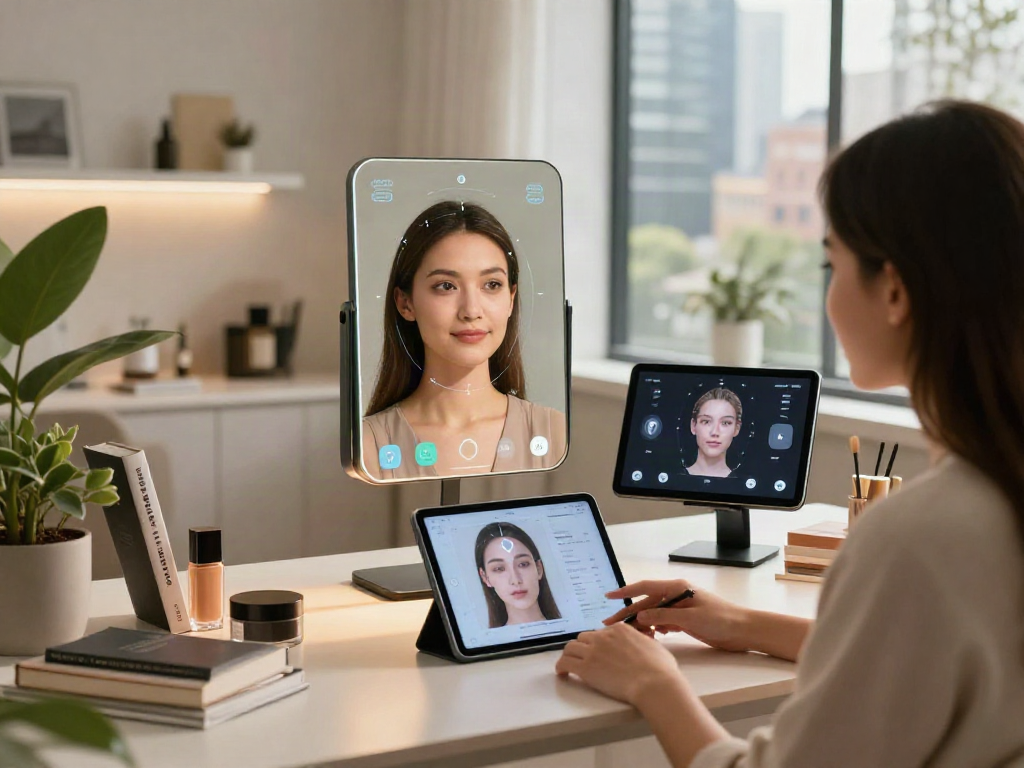
Age estimation technology refers to the scientific methods and algorithms employed to assess an individual's age based on their facial features. This technology leverages intricate image processing and machine learning techniques to analyze various markers, such as skin texture, wrinkles, and facial contours. With the rise of social media and selfie culture, tools that can determine how old someone appears have become not only popular entertainment but also valuable for personal branding and confidence.
The Role of AI in Facial Analysis
Artificial intelligence (AI) is at the forefront of modern age estimation technologies. Using deep learning, AI algorithms are trained on massive datasets of images, learning to recognize patterns associated with different ages. This enables platforms that allow users to upload their photos for analysis—such as how old do i look—to provide age estimates that are surprisingly accurate. As the technology matures, we see improvements in its ability to assess not just numerical age but also the nuances of perceived age, influenced by cultural standards of beauty.
Benefits of Knowing How Old You Look
Understanding how old we appear can have various advantages, including enhancing self-confidence, aiding in marketing strategies, and even providing insights into personal wellness. For instance, individuals seeking to maintain a youthful appearance may be motivated to adopt healthier lifestyle choices upon learning how their facial features are perceived. Moreover, businesses can utilize this technology to tailor their products to meet the preferences of different age demographics, creating more effective marketing campaigns.
How Old Do I Look? Popular Online Tools
With the increasing popularity of age estimation, numerous platforms have emerged, each offering unique features and tools. Users can easily explore these services to find one that best suits their needs. Let’s delve into some of the most popular online tools for estimating age.
Top Platforms for Age Estimation
- FaceAge.ai: This platform provides a seamless experience where users can upload their photos to receive an AI-powered facial age estimation. Fast and privacy-focused, it ensures users’ information remains secure.
- Fotor: Fotor's age guesser offers a user-friendly interface that analyzes skin texture and features within uploaded photos to determine perceived age. It requires no signup, making it accessible for anyone seeking quick results.
- BeautyPlus: Known for its photo editing capabilities, BeautyPlus also features an AI age estimator that gives users insights into how old they appear based on facial analysis.
Comparative Features of Leading Applications
When analyzing these platforms, it’s essential to consider key features such as accuracy, user experience, and additional functionalities. For example, FaceAge.ai focuses heavily on data privacy while providing rapid results, whereas Fotor includes aesthetic enhancements alongside age estimation, appealing to users interested in comprehensive photo editing. Evaluating these aspects will help users select the best tool for their needs.
User Experiences and Feedback
Feedback from users of these age estimation tools highlights the balance between expectations and reality. While many find the results engaging and fun, the accuracy can vary based on factors such as image quality and lighting. User reviews often emphasize the entertainment aspect of these tools rather than placing complete trust in their results, serving as a reminder of the technology’s limitations.
Factors Influencing Your Age Perception
Age perception is multifaceted and influenced by various biological and lifestyle factors. Understanding these can help in contextualizing the results obtained from age estimation tools.
Facial Features and Age Indicators
Certain facial features are commonly associated with aging; for instance, the presence of wrinkles, sagging skin, and age spots can all contribute to a more aged appearance. Facial symmetry and skin hydration levels also play a role in perceived youthfulness, making features essential indicators in age estimation algorithms.
Impact of Lifestyle Choices on Aging
Lifestyle factors such as diet, exercise, smoking, and sun exposure can significantly influence how old someone looks. A balanced diet rich in antioxidants coupled with regular exercise can promote healthy skin, while poor habits can accelerate aging. Consequently, individuals who make healthier lifestyle choices may appear younger than their chronological age.
Understanding Skin Types and Age Perception
Different skin types age differently. For instance, oily skin may show signs of aging later than dry skin types due to better moisture retention. Understanding one’s skin type can provide valuable insights into personal skincare routines and choices that can affect perceived age.
Emerging Trends in Age Estimation Technology
The field of age estimation technology is constantly evolving, with innovative trends emerging that enhance the accuracy and accessibility of these tools.
Integration with Social Media Platforms
As social media continues to dominate communication, the integration of age estimation technologies into platforms like Instagram and Snapchat is on the rise. These features could provide users with an engaging way to share their perceived age with friends, further blending personal expression with technological advances.
Future Developments in AI Facial Recognition
Future developments in AI and machine learning promise even greater precision in age estimation algorithms. By utilizing larger datasets and more diverse images, AI can refine its understanding of aging and enhance its ability to evaluate facial features, making age estimations more reliable.
Potential Ethical Considerations in Age Estimation
As with any technology, ethical considerations must be addressed. Issues surrounding data privacy, consent, and the potential for misuse of age estimation are at the forefront of discussions in this field. Ensuring user data is handled responsibly while providing transparency about how it is used is crucial for building trust in these technologies.
Maximizing Your Age Estimation Experience
To get the most accurate results from age estimation tools, users should be aware of certain practices that can enhance their experience.
Tips for Getting Accurate Results
- Use high-quality images: Ensure that the photo is well-lit and clear to increase the accuracy of the analysis.
- Follow guidelines: Many platforms provide specific instructions for uploading photos. Adhering to these can improve results.
- Understand limitations: Recognize that these tools provide estimates based on algorithms and should not be taken as definitive truth.
Common Misconceptions About Age Estimation
A common misconception is that age estimation tools can determine actual age with precision. Instead, they provide estimates based on visual data and patterns. Users should be mindful of this to avoid placing undue importance on the results.
Real-Life Applications of Age Estimation Results
Beyond mere curiosity, age estimation results can inform decisions in various fields such as marketing, health care, and personal development. For instance, brands targeting specific demographics may use these insights to customize their advertising strategies, while individuals can leverage knowledge about their perceived age to make lifestyle adjustments or engage in conversations about personal wellness.
What technologies are used to estimate age?
Age estimation relies on a combination of computer vision, machine learning, and neural networks to analyze facial features. By training algorithms on a wide array of images, these technologies learn to correlate specific facial traits with age indicators.
How accurate are online age estimation tools?
While many online tools can provide fun estimates, their accuracy can vary significantly. Factors such as the complexity of algorithms, the quality of input images, and user demographics all contribute to varying levels of precision.
Can lifestyle changes affect how old I look?
Absolutely. Lifestyle changes such as improved diet, skincare, and regular exercise can positively affect one's appearance, potentially resulting in a younger perceived age. Simple adjustments can lead to significant visual benefits over time.
Are there privacy concerns with using age estimation apps?
Yes, privacy concerns are valid when using these applications, as many require users to upload personal images. It's essential to choose platforms that prioritize user privacy and provide transparency about data usage.
How has age estimation technology changed over the years?
Since its inception, age estimation technology has evolved dramatically. Early iterations lacked the accuracy and nuance of current models, which benefit from advances in AI, deeper learning algorithms, and larger datasets. This evolution continues as technology progresses, promising even more sophisticated analysis in the future.