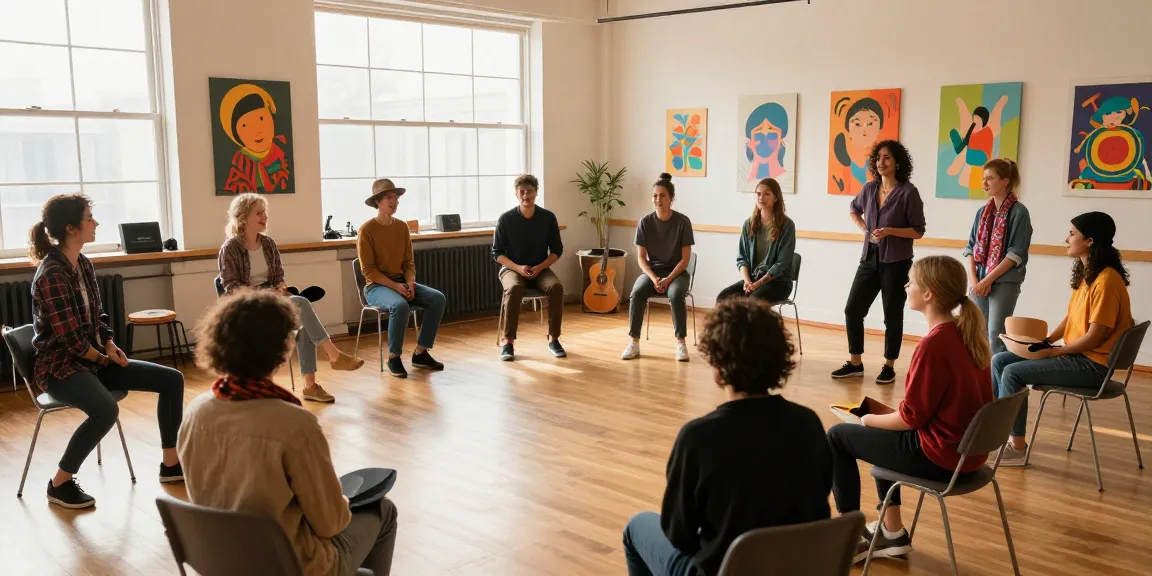
The Basics of Improv: What to Expect from Your Beginner Improv Class
Improvisational theater, or improv, is a unique art form that relies heavily on spontaneity and creativity. If you're contemplating a beginner improv class, you are about to embark on a journey filled with laughter, surprises, and self-discovery. In this guide, we will explore the fundamentals of improv, the benefits of participating in a beginner class, and what to expect during your educational experience, offering you valuable insights that will enhance your journey into the world of improvisation.
Understanding Improv Fundamentals
At its core, improv is a performance art that encourages actors to create scenes, characters, and dialogues spontaneously. Unlike scripted theater, where actors memorize lines, improv requires performers to think on their feet and react to unexpected situations. The foundational principles of improv include:
- Yes, And...: This principle encourages participants to accept what their scene partner offers and build upon it, fostering collaboration and creativity.
- Active Listening: Successful improv hinges on attentiveness to others, allowing for genuine interactions and responsive dialogue.
- Embracing Mistakes: In improv, errors are not failures but opportunities for humorous moments and unexpected turns in the narrative.
Benefits of Taking a Beginner Improv Class
Engaging in improv offers myriad benefits beyond entertainment. Some key advantages include:
- Enhanced Communication Skills: Improvisational training improves verbal and non-verbal communication, enabling you to express thoughts more clearly.
- Boosted Confidence: Overcoming the natural fear of public speaking through improv exercises builds self-assurance in various social settings.
- Creative Thinking: Improv encourages outside-the-box thinking, allowing participants to approach problems creatively in their personal and professional lives.
Choosing the Right Class: What to Look For
With an abundance of options available, selecting the right beginner improv class is crucial. Prioritize classes that offer:
- Experienced Instructors: Look for instructors with a background in improv and teaching to provide quality guidance.
- Hands-on Learning: Classes that emphasize active participation and practice rather than just theory will maximize your learning experience.
- A Supportive Environment: Ensure the class fosters a positive and encouraging atmosphere conducive to experimentation and growth.
Key Techniques and Exercises in Beginner Improv Classes
Essential Improv Games for Beginners
Improv classes often incorporate various games designed to cultivate essential skills. Examples of these exercises include:
- Zip Zap Zop: A fast-paced game that focuses on maintaining energy and attentiveness among participants.
- One Word Story: A collaborative storytelling exercise that emphasizes creativity and the “Yes, And...” principle.
- Emotion Improv: Participants act out scenes embodying different emotions, enhancing their ability to convey feelings authentically.
Building Confidence Through Group Activities
One of the most impactful aspects of a beginner improv class is the group dynamic. Working with peers can significantly boost confidence as participants support and encourage one another, creating a safe space for exploration and creativity. This communal aspect teaches individuals how to trust not only themselves but also their teammates, laying the groundwork for effective collaboration both on and off the stage.
Improvisation Techniques for Spontaneity
Improv techniques that enhance spontaneity include:
- Character Creation: Developing unique characters on the spot fosters creativity and adaptability.
- Scene Initiation: Learning how to start a scene with confidence can translate to greater spontaneity in everyday interactions.
Real-world Applications of Improv Skills
How Improv Enhances Communication Skills
Effective communication is fundamental to success in any field. Skills acquired through improv classes, such as active listening and quick thinking, enhance your ability to communicate efficiently and effectively. This transcends theatrical circles, proving invaluable in business meetings, networking events, and casual conversations.
The Role of Improv in Professional Settings
Many corporations and organizations have begun incorporating improv training into their professional development programs. The skills developed through improv enhance team collaboration, creativity in problem-solving, and adaptability in fast-paced environments. For example, a team that practices improv techniques may find themselves better equipped to tackle unexpected challenges.
Applications in Personal Development and Social Scenarios
Beyond professional benefits, improv can significantly impact personal growth. It encourages individuals to step outside their comfort zones, leading to more enriched social interactions. Improv participants often find they approach life with a more positive, open mindset, making it easier to connect with others.
Common Misconceptions About Improv Classes
Debunking Myths About Improv
Many misconceptions surround improv training, such as:
- Improv is only for actors: In reality, anyone can benefit from improv, regardless of their background.
- You need to be funny: Humor is a byproduct of improv, not a prerequisite, as the main goal is to foster creativity and spontaneity.
Addressing Fears and Anxiety in Performance
Performance anxiety is a common concern for many when embarking on an improv journey. However, beginner classes are designed to gradually ease these fears through support and practice, allowing participants to become accustomed to performing in front of others in a nurturing environment.
Understanding the Learning Curve
Many beginners worry about the learning curve associated with improv. It’s essential to recognize that improvement occurs over time, and every individual's journey will vary. Emphasizing the process rather than the end result allows participants to appreciate the growth they experience.
Future Trends in Improv Education for 2026 and Beyond
Innovative Teaching Methods in Improv Classes
As improv continues to evolve, so do the teaching methods used. Expect to see greater incorporation of technology, with instructors using digital tools to enhance learning experiences. For instance, video feedback may become more prevalent, allowing participants to view and analyze their performances for better self-assessment.
The Rise of Virtual Improv Courses
The COVID-19 pandemic accelerated the acceptance of virtual learning environments, including improv classes. As we move into 2026, virtual classes will likely remain a popular option, offering flexibility and accessibility for individuals who may not have access to in-person training, fostering a wider community of improv enthusiasts.
Emerging Trends in Improv Performance Styles
Expect to see a continued diversification of performance styles in improv, reflecting broader cultural shifts. New forms that incorporate elements from various disciplines, such as multimedia presentations or even incorporating technology like AI, will likely gain popularity, pushing the boundaries of traditional improv.
What Can I Expect from a Beginner Improv Class?
In a typical beginner improv class, you can expect to participate in a variety of games and exercises designed to warm you up, build team cohesiveness, and develop your improvisation skills. Classes usually begin with light-hearted activities to encourage relaxation and connection among participants, setting the stage for creativity to flourish.
Can Anyone Benefit from Improv Training?
Absolutely! Improv training is beneficial for anyone, regardless of age, background, or profession. Whether you're looking to enhance your personal skills, overcome shyness, or improve team dynamics at work, the lessons learned in improv are universally applicable.
How Does Improv Help with Public Speaking Skills?
Public speaking often intimidates many individuals, but the confidence gained through improv practice can dramatically reduce anxiety. Improv teaches you to think on your feet and engage your audience, which are essential components of effective public speaking.
What Should I Wear to an Improv Class?
Comfort is key when participating in improv. Opt for clothing that allows for freedom of movement and fits comfortably, as you may be engaging in physical activities during class. Avoid overly restrictive or formal attire to ensure you can fully engage in the experience.
Are Improv Classes Only for Actors?
While improv has connections to acting, it is not exclusively for actors. For more information, virtual improv classes offers valuable insights. Individuals from all walks of life, including business professionals, teachers, and even parents, find value in improv classes. The skills learned are transferable to numerous experiences, making it a versatile training option for anyone looking to grow personally or professionally.