The Importance of Community Support for Local Food Access
In today’s fast-paced world, food security remains a critical issue affecting many communities. In Sonoma Valley, organizations such as the Springs Hall play a pivotal role in addressing the challenges of food access. By fostering local food initiatives, they are not only supporting individuals in need but also promoting the importance of sustainable agriculture. When exploring options, springshall.org provides comprehensive insights into how community engagement can enhance food availability and security.
Understanding Food Insecurity in Sonoma Valley
Food insecurity is defined as a lack of consistent access to enough food for an active, healthy life. In Sonoma Valley, several factors contribute to this pervasive issue, including economic disparities, geographic location, and limited availability of fresh produce in underserved neighborhoods. Many families struggle with the high cost of organic fruits and vegetables, often leading them to opt for less nutritious, processed food options. This not only affects their health but also their overall quality of life.
Moreover, the COVID-19 pandemic has exacerbated these challenges, highlighting the urgent need for proactive community-driven solutions. Understanding these dynamics is essential for developing effective programs that can address the root causes of food insecurity.
The Role of Springs Hall in Addressing Local Needs
The Springs Hall serves as a community hub, promoting various initiatives that bring fresh, local produce to those who need it most. Programs like the Farmer’s Friend and partnerships with organizations such as Sonoma Overnight Support are integral to their mission. These initiatives support local farmers while ensuring that fresh produce reaches underserved populations, demonstrating the powerful impact of community collaboration.
The Hall not only facilitates food distribution but also acts as a platform for education. Informing community members about the benefits of healthy eating and sustainable farming practices empowers them to make better choices.
Benefits of Food Cooperatives for Community Connectivity
Food cooperatives are more than just entities for purchasing groceries; they are pivotal in building social networks and fostering community resilience. By purchasing from local farms, cooperatives help stimulate the local economy while ensuring that residents have access to nutritious food. Furthermore, community members are often involved in the cooperatives' decision-making processes, enhancing their sense of ownership and investment in local food systems.
These cooperatives also offer educational workshops that focus on preparing healthy meals and understanding the value of local produce, helping to diminish the knowledge gap related to nutrition and food preparation.
Highlights of the Farmer’s Friend Program
Success Stories from Recent Food Distributions
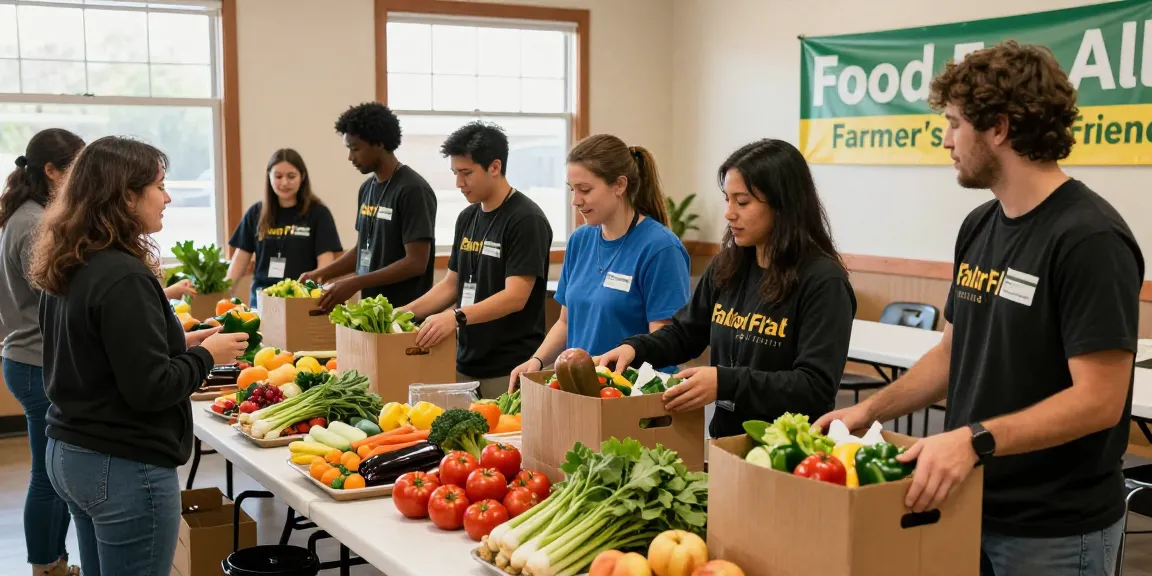
The Farmer's Friend program has experienced tremendous success in its mission to alleviate hunger in Sonoma Valley. Recent distributions have included a diverse range of produce, including heirloom vegetables and fruit. Community volunteers work tirelessly to glean excess produce from local farms, ensuring that nothing goes to waste. This collaborative effort has not only fed families but also strengthened community ties.
For instance, one recent distribution resulted in over 110 packages of fresh produce delivered to local families, showcasing the program's ability to mobilize resources quickly and effectively. Such success stories are vital in demonstrating the potential impact of community-led initiatives.
How Local Farmers Contribute to Food Security
Local farmers are the backbone of the food access initiatives in the Springs Hall community. By donating surplus produce, they help alleviate food insecurity while promoting sustainable practices. The partnerships fostered through programs like Farmer's Friend highlight the interconnectedness of local agriculture and community health.
These farmers often prioritize organic and sustainable farming practices, ensuring that the produce is not only healthy but also environmentally friendly. Their contributions are essential to the realization of a robust local food network that prioritizes availability and accessibility for all residents.
Volunteer Involvement and Its Impact on the Community
Volunteering is a crucial element of the Springs Hall’s food distribution efforts. Community volunteers are the lifeblood of programs like Farmer's Friend, helping to facilitate the process from gleaning to distribution. Their enthusiasm and dedication are visible in every delivery made and every family supported.
Volunteers also help organize events that raise awareness about food insecurity and engage more community members in the discussion. This not only aids in the immediate goal of food distribution but also helps to inspire long-term change in the community’s approach to food access.
Strategies for Building a Sustainable Food Cooperative
Engaging the Community: Tips for Outreach and Recruitment
Building a sustainable food cooperative requires the engagement of the local community. Successful outreach strategies include holding informational meetings, leveraging social media platforms, and collaborating with local schools and community centers to spread awareness. The more engaged community members feel, the more likely they are to participate actively in cooperative initiatives.
Creating a welcoming environment where individuals feel their voices and opinions are valued is essential for fostering long-term commitment to the cooperative’s success.
Fundraising Ideas to Support Local Agriculture Initiatives
Effective fundraising is crucial for achieving the goals of a food cooperative. Community-supported agriculture (CSA) programs, local fundraising events, and partnerships with local businesses can create a sustainable model for funding. Additionally, establishing a membership fee or donation-based system can provide a consistent stream of income to assist with operational costs.
Organizations might also explore grant opportunities from local government agencies and non-profits that support food security initiatives.
Best Practices for Implementing Food Distribution Programs
Implementing effective food distribution programs requires careful planning and execution. Best practices include:
- Assessing community needs through surveys and direct outreach
- Forming partnerships with local farms and organizations to optimize resource sharing
- Utilizing volunteer networks for distribution and communication
- Regularly evaluating program effectiveness and adapting strategies accordingly
These practices not only enhance the efficiency of food distributions but also ensure that programs remain responsive to the ever-changing needs of the community.
Case Studies: Successful Food Cooperatives in California
Comparative Analysis of Local vs. State-Wide Food Initiatives
California boasts several successful food cooperatives that serve as models for local initiatives. Cooperatives such as the Berkeley Food Network and the South Central Farmers Cooperative have made significant strides in addressing food insecurity. A comparative analysis between these organizations and local initiatives like those at the Springs Hall can provide valuable insights into effective strategies and potential pitfalls.
For instance, while state-wide initiatives often benefit from larger funding sources and infrastructure, local cooperatives provide the advantage of being deeply rooted in their communities, allowing for tailored approaches that reflect local needs.
Lessons Learned from Existing Cooperatives
Successful cooperatives offer valuable lessons that can be instrumental in shaping new initiatives. Key takeaways include the importance of community engagement, maintaining transparency in decision-making, and fostering strong relationships with local farmers. These elements contribute to the long-term sustainability and effectiveness of food cooperatives.
Future Trends in Cooperative Food Models
The landscape of food cooperatives is evolving, with new trends emerging to address contemporary challenges. From incorporating technology to streamline operations to emphasizing sustainability, cooperatives are adapting to meet the needs of their communities. There is also a growing trend towards integrating educational programs into the cooperative model, focusing on nutrition, cooking skills, and sustainable practices.
Getting Involved: Join the Movement
How to Volunteer with springshall.org Initiatives
Joining the movement to support local food initiatives is easier than ever. Interested individuals can volunteer with programs at the Springs Hall, contributing their time and skills to make a difference in their community. Opportunities range from hands-on work in food distribution to educational outreach efforts that promote food security.
To get involved, visit their website for more information on current volunteer needs and upcoming events.
Ways to Donate to Support Local Farmers and Programs
Financial support is crucial for sustaining local food initiatives. Donations can be directed toward specific programs or general funds that support local farmers and community outreach efforts. Every contribution, regardless of size, plays a role in ensuring the success of these vital programs.
Consider making a donation through official channels or participating in community fundraising events to help sustain these important initiatives.
Frequently Asked Questions on Participating in Food Cooperatives
Community members often have questions about how they can engage with food cooperatives. Some common inquiries include:
- What is the next event at Sonoma Springs Community Hall? Upcoming events can be found on the Springs Hall website or social media pages, where they post updates regularly.
- How can I contribute to the Farmer’s Friend program? Contributions can be made through donations or volunteering for distribution events. Contact the Springs Hall for specifics.
- What types of produce are typically available through Food For All? The program typically features a variety of seasonal fruits and vegetables sourced from local farms.
- How does the Springs Hall support local farmers? They facilitate partnerships that allow local farmers to contribute surplus produce, helping to reduce waste and improve food access.
- What programs are available for families in need? The Springs Hall offers various food distribution programs, educational workshops, and community events aimed at supporting families in need.