Understanding Nyonya Culture and Its Significance
Nyonya culture, a vibrant expression of the Peranakan heritage, embodies the rich traditions and culinary arts of the Straits Chinese community. This unique culture combines elements from Chinese and Malay influences, resulting in a distinctive style of clothing, art, and cuisine. Nyonya culture is not only a testament to the community's history but also a reflection of its resilience and adaptability through time. When exploring options, nyonya4d provides comprehensive insights into this fascinating background, combining cultural appreciation with community initiatives.
What is Nyonya Culture?
Nyonya culture, also known as Baba-Nyonya culture, refers to the lifestyle and traditions of the Chinese immigrants who settled in the Malayan Peninsula and Singapore between the 15th and 17th centuries. The term 'Baba' refers to the male descendants, while 'Nyonya' denotes the females. Over generations, these communities have developed a unique identity, characterized by their language, clothing, and intricate family customs. The Nyonya embrace their heritage through traditional dress, such as the kebaya, which is adorned with intricate embroidery and symbolizes their cultural pride.
The Role of Heritage in Nyonya 4D
Heritage plays a pivotal role in Nyonya 4D, representing a blend of cultural appreciation and economic opportunity. As artisans and vendors promote Nyonya crafts, they revitalize the community's historical practices while attracting interest from broader audiences. This connection to heritage fosters a sense of pride among the community members and encourages collective participation in preserving traditions.
Importance of Traditional Crafts and Cuisine
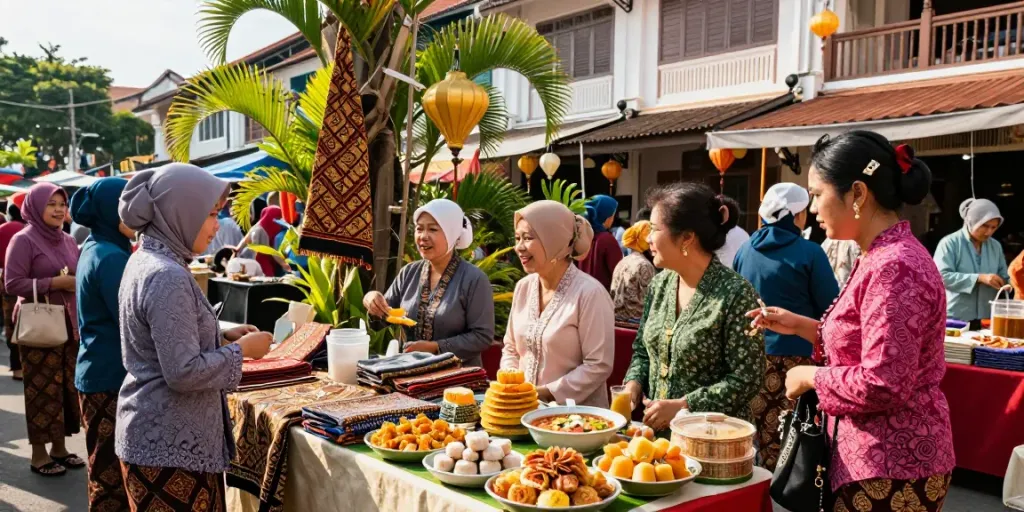
Craftsmanship and cuisine are at the core of Nyonya culture. Traditional crafts, such as beadwork, pottery, and textile creation, serve not only as artistic expressions but also as means of livelihood for many artisans. Nyonya cuisine, with its signature dishes like laksa and kaya toast, showcases the intricate use of spices and cooking techniques passed down through generations. The melding of Chinese and Malay culinary practices not only feeds the community but also generates interest among food enthusiasts worldwide.
Nyonya 4D: Investments and Community Impact
Nyonya 4D initiatives provide significant economic opportunities for local artists and businesses. By investing in cultural preservation through marketing and outreach, stakeholders can enhance not only their own profitability but also the vibrancy of the community as a whole.
Economic Benefits of Supporting Nyonya 4D
Investing in Nyonya 4D yields tangible economic benefits for the local community. By focusing on cultural tourism, local markets can attract visitors eager to experience the unique aspects of Nyonya life. Events surrounding Nyonya crafts and cuisine can drive increased foot traffic, leading to higher sales for artisans and restaurants alike. In fostering these initiatives, the community can create jobs while preserving the cultural fabric that makes Nyonya life distinct.
Community Engagement and Cultural Preservation
Community engagement is vital for preserving the Nyonya heritage. By involving younger generations in traditional crafts and culinary practices, the community ensures the continuation of its cultural legacy. Workshops and classes provide hands-on experience, allowing participants to appreciate their roots while honing valuable skills. This form of engagement not only strengthens community bonds but also instills pride in the heritage.
Case Studies: Successful Nyonya 4D Initiatives
Several successful initiatives showcase the effectiveness of Nyonya 4D investments. For instance, community-led markets that feature Nyonya crafts have attracted significant attention. Events like the Penang Nyonya Festival have highlighted traditional cooking demonstrations, drawing visitors from afar and connecting them with the culture. These case studies illustrate how strategic investments can yield returns in cultural tourism, as well as in broader economic terms.
Challenges in the Nyonya 4D Landscape
Despite its rich heritage, the Nyonya 4D landscape faces several challenges that threaten the sustainability of these cultural treasures.
Common Misconceptions about Nyonya Culture
Misunderstandings surrounding Nyonya culture often arise from its complexity and the blending of influences. Many people may mistakenly view it solely as a subset of Chinese culture, overlooking the unique elements derived from Malay traditions. Addressing these misconceptions is essential to cultivating a deeper appreciation for the richness of Nyonya heritage.
Obstacles Facing Nyonya Artisans and Vendors
Artisans and vendors in the Nyonya community often grapple with several challenges, including competition from mass-produced items and a lack of visibility in broader markets. Many skilled artisans struggle to find markets for their work, while others face the daunting task of maintaining relevancy in a rapidly evolving economy. These obstacles can lead to a decline in traditional crafts if not addressed adequately.
Strategies to Overcome Challenges
To combat these challenges, several strategies can be employed. First, enhancing platforms for showcasing Nyonya crafts—whether through online marketplaces or community events—can significantly boost visibility. Additionally, fostering partnerships with schools and cultural institutions can create educational programs that promote Nyonya arts. Finally, utilizing social media can help artisans reach a wider audience, effectively bridging the gap between traditional crafts and modern marketing.
Future Trends in Nyonya Culture and Arts
The future of Nyonya culture is not only about sustaining its legacy but also about innovating its representation in the contemporary world.
Emerging Developments in Nyonya 4D for 2026
Looking ahead, emerging trends in Nyonya 4D suggest a shift towards modernization while retaining traditional values. The integration of technology in crafting methods and marketing can lead to innovative products that appeal to a younger audience. This evolution could allow Nyonya artisans to not only compete but thrive in an increasingly digital marketplace.
Technological Influence on Cultural Preservation
Technology can play a significant role in cultural preservation by providing tools for documentation and distribution. Virtual reality experiences can allow users to immerse themselves in Nyonya culture, while social media campaigns can promote local artisans and their products to global audiences. This technological adoption not only helps maintain cultural relevance but also broadens the reach of Nyonya culture.
Predictions for Nyonya 4D’s Evolution
As we approach 2026, predictions for the evolution of Nyonya 4D include an increased emphasis on sustainability and innovation. Artisans may incorporate eco-friendly materials into their crafts, reflecting a broader societal shift towards environmental consciousness. Coupled with technological advances, this focus on sustainability could lead to a renaissance in Nyonya arts that honors tradition while embracing the future.
Practical Guide to Engaging with Nyonya 4D
Engaging with Nyonya 4D provides individuals with the opportunity to participate in preserving an essential aspect of cultural heritage while fostering community ties.
How to Support Nyonya Artists and Businesses
Supporting Nyonya artists and businesses can be accomplished through various means. Purchasing handmade items directly from local artisans, attending cultural festivals, and promoting their work through social media channels can significantly impact their economic viability. Additionally, professional networks can facilitate connections that promote collaboration among artists.
Participating in Cultural Events and Workshops
Participation in cultural events and workshops allows individuals to experience Nyonya culture firsthand. These activities not only foster personal connections but also align with community efforts toward cultural preservation. Workshops on traditional cooking or craft-making provide participants with invaluable experiences and skills while supporting artisans directly.
Building a Community Around Nyonya 4D
Building a vibrant community around Nyonya 4D involves creating spaces for dialogue, education, and celebration. Establishing clubs or interest groups that focus on Nyonya arts and cuisine can cultivate interest and awareness. Collaborations with schools, universities, and cultural institutions can create platforms for engagement, encouraging younger generations to appreciate and contribute to their heritage.
What are the Benefits of Engaging with Nyonya 4D?
Engaging with Nyonya 4D has numerous benefits, including deepening cultural understanding, fostering community solidarity, and promoting artistic innovation. Individuals who actively participate in cultural practices often report a sense of fulfillment, realizing their role in preserving a rich legacy. Moreover, such engagement can lead to new friendships and collaborative ideas that strengthen community ties.
How Can You Contribute to Cultural Preservation?
Contributing to cultural preservation can be achieved through various actions. Volunteering at local cultural events, promoting Nyonya crafts on social media, or even practicing traditional cooking at home are meaningful ways to engage. Each effort, no matter how small, supports the broader mission of reinforcing cultural identity and sustainability.
What Resources are Available for Learning about Nyonya Culture?
Numerous resources offer insights into Nyonya culture, from books and documentaries to online platforms that highlight traditional practices, recipes, and craftsmanship. Engaging with local libraries, cultural organizations, and even social media groups dedicated to Peranakan culture can provide valuable knowledge and community connections. As interest in Nyonya culture grows, these resources will continue to expand, enriching the experience of those eager to learn.