Understanding the Role of Electrical Components Manufacturers
Electrical components manufacturers play a pivotal role in the modern technological landscape, serving as the backbone of countless industries. They produce essential components such as connectors, switches, and cords, which are integral to powering devices from home appliances to sophisticated industrial machinery. In a world increasingly reliant on electrical devices, the demand for high-quality and reliable electrical components has never been greater. When exploring options, Electrical components manufacturer offers comprehensive insights into the needs of various sectors and the solutions available.
What Defines an Electrical Components Manufacturer?
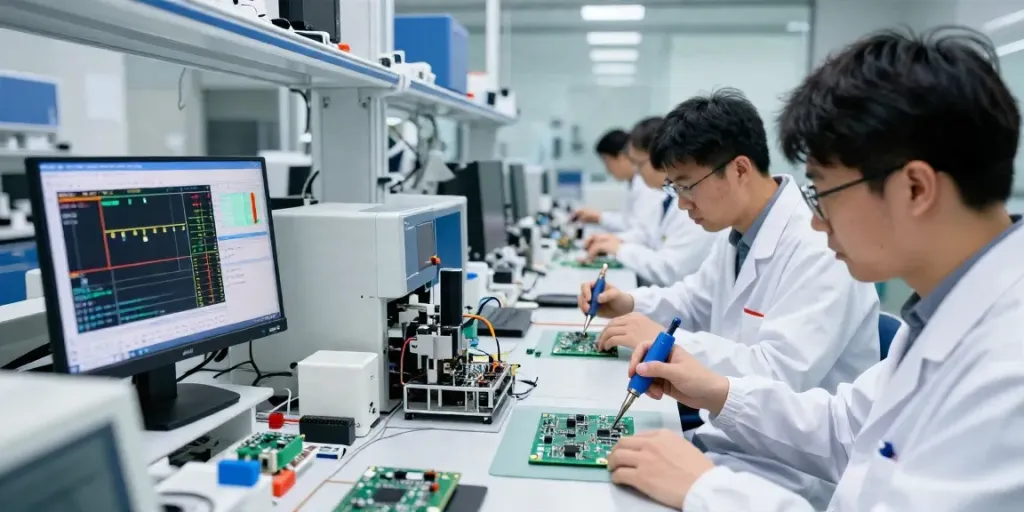
An electrical components manufacturer is defined by its ability to produce a diverse range of electronic products tailored to specific applications. This includes ensuring quality, safety, and compliance with international standards. These manufacturers typically engage in extensive research and development to innovate and improve their product offerings. Their expertise lies not just in manufacturing, but also in understanding the unique requirements of industries such as automotive, telecommunications, medical, and consumer electronics.
The Importance of Quality Assurance in Manufacturing
Quality assurance is paramount in the production of electrical components. Manufacturers implement rigorous testing protocols to ensure their products meet both national and international safety standards. For instance, certifications such as ISO, UL, and CE indicate a manufacturer’s commitment to quality. A robust quality assurance program can significantly reduce product failures and recalls, which can be costly and damage a company’s reputation.
Key Certifications and Standards in the Electronics Industry
- ISO Certification: This ensures that the manufacturer adheres to international quality management standards, enhancing customer satisfaction.
- UL Certification: This safety standard is crucial for electrical products, ensuring they have been tested and deemed safe for use.
- CE Marking: Required for products sold in the European Economic Area, this indicates conformity with health, safety, and environmental protection standards.
- RoHS Compliance: Restriction of Hazardous Substances certification confirms that products do not contain certain dangerous substances.
Products Offered by Electrical Components Manufacturers
Electrical components manufacturers produce a wide array of products, each designed to meet specific functional and safety requirements within various applications. Understanding these products is essential for selecting reliable solutions for your business needs.
IEC Connectors: Specifications and Applications
IEC connectors are critical components in many electrical devices, facilitating safe and efficient power distribution. These connectors adhere to standards set by the International Electrotechnical Commission (IEC), assuring compatibility and safety. Commonly used in household appliances, medical equipment, and industrial machinery, IEC connectors are rated for up to 250V AC and 16A current. Manufacturers like LANZ Electronics specialize in producing a variety of IEC connectors tailored for different applications, ensuring high performance and durability.
Power Cords: Ensuring Safety and Performance
Power cords are vital for connecting various devices to power sources. Manufacturers focus on creating power cords that meet stringent safety standards while offering flexibility and durability. Various materials, such as PVC and rubber, are used to ensure that the cords can withstand wear and tear in commercial and industrial settings. The right manufacturer will offer a range of cord lengths and connectors, ensuring compatibility with global standards.
Relay Sockets: Types and Technological Advances
Relay sockets are essential for connecting relay switches to circuits, enabling control over electrical devices. Modern manufacturers provide diverse options including direct plug-in designs, PCB-mounted relay sockets, and those compliant with both European and Japanese standards. Innovations in relay socket design focus on enhancing safety and efficiency in wiring applications, making them indispensable in automation and control systems.
Industry Solutions and Applications
Electrical components manufacturers also offer tailored solutions that meet the unique needs of different industries. By understanding specific application requirements, these manufacturers can design and develop products that enhance operational efficiency and safety.
Custom Engineering and ODM Services
Original Design Manufacturer (ODM) services allow companies to leverage the expertise of electrical components manufacturers in designing custom components. Tailored solutions can significantly reduce time to market, as well as costs associated with product development. By collaborating with a manufacturer that offers ODM services, businesses can create products that fit specific market needs while maintaining high standards of quality.
Specific Applications in Medical Equipment
The medical industry presents unique challenges and regulatory requirements for electrical components. Manufacturers must adhere to stringent standards, ensuring reliability and safety in potentially life-saving devices. This includes producing connectors and switches that can withstand rigorous sterilization processes, as well as ensuring that all components meet health regulations. Companies like LANZ Electronics are dedicated to meeting these demands by providing certified medical-grade components.
Applications in Telecommunications and Networking
Telecommunications is another critical area where reliable electrical components are essential. From routers to cell towers, the performance of electronic components directly impacts network reliability. Manufacturers focus on creating connectors, cables, and switches that can handle high data transmission rates while ensuring minimal signal loss. As technology advances, the demand for innovative components capable of supporting next-generation networking hardware continues to rise.
Challenges Faced by Electrical Components Manufacturers
While the demand for electrical components is high, manufacturers face an array of challenges that can impact their operations and the quality of their products. Addressing these challenges is crucial to remain competitive in the industry.
Supply Chain Management and Global Distribution
Managing a global supply chain is complex, especially for manufacturers with a diverse product portfolio. Challenges include sourcing raw materials, managing logistics, and navigating international regulations. Effective supply chain management involves strategic partnerships and robust planning to ensure timely delivery of products while minimizing costs.
Maintaining Competitive Pricing Without Compromising Quality
With numerous manufacturers in the market, maintaining competitive pricing is essential. However, this should not come at the expense of quality. Manufacturers must find cost-effective methods for production while ensuring that all components meet high-quality standards. Innovative production techniques and material sourcing can contribute to this balance.
Adapting to Emerging Technologies and Trends in 2026
The rapid pace of technological advancement requires manufacturers to stay agile and responsive. The emergence of smart technologies, artificial intelligence, and the Internet of Things (IoT) presents both opportunities and challenges. Manufacturers must invest in research and development to adapt their products to these new technologies, ensuring they remain relevant in a competitive landscape.
Future Trends in the Electrical Components Industry
As we look ahead, several trends are shaping the future of the electrical components industry. Understanding these trends can help manufacturers and their clients prepare for the evolving market landscape.
The Rise of Smart Manufacturing Technologies
Smart manufacturing technologies are transforming production processes, enhancing efficiency, and reducing waste. By incorporating IoT devices into machinery, manufacturers can monitor performance in real-time, allowing for predictive maintenance and improved quality control. This shift towards automation and data-driven decision-making will be a significant focus for manufacturers moving forward.
Sustainability and Eco-Friendly Practices in Manufacturing
Sustainability is becoming a paramount concern in manufacturing. The pressure to reduce carbon footprints and waste is leading manufacturers to explore eco-friendly materials and sustainable production methods. From using recyclable components to optimizing energy consumption, the focus on sustainability will continue to grow as consumers become more environmentally conscious.
Market Outlook: Predictions for 2026 and Beyond
Looking ahead to 2026, the electrical components industry is expected to expand due to the growing demand for technology solutions in various sectors. The rise of electric vehicles, renewable energy systems, and smart home technologies will drive the growth of electrical components manufacturers. Companies that adapt to these market dynamics and invest in innovation will be well-positioned to lead the industry into the future.
What are the top electrical components manufacturers in the world?
Top manufacturers include industry leaders known for their quality and innovation, such as TE Connectivity, Molex, and Schneider Electric. Each of these companies plays a crucial role in various sectors, providing reliable solutions tailored to customer needs.
How do certifications impact the quality of electrical components?
Certifications provide assurance that manufacturers adhere to safety and quality standards. They are critical in establishing trust with customers and ensuring compliance with regulations, thereby reducing liability and enhancing marketability.
What trends should manufacturers watch in 2026?
Key trends include advancements in smart manufacturing, an emphasis on sustainability, and the increasing demand for components suitable for emerging technologies like IoT, AI, and electric vehicles.
How can manufacturers ensure compliance with international standards?
Manufacturers must stay updated on relevant international regulations and standards, implementing robust quality management systems and regular training for their staff to ensure compliance in all aspects of production.
What are the benefits of custom engineering in electrical components?
Custom engineering allows manufacturers to create specific solutions tailored to unique customer needs, enhancing product fit and functionality while fostering stronger customer relationships and loyalty.