Understanding Containerized Water Treatment Systems
As the demand for efficient and adaptable water treatment solutions continues to grow, containerized water treatment systems have emerged as a transformative option for various industries and municipalities. Designed for modular flexibility, these systems provide tailored water treatment processes suitable for municipal, industrial, and remote applications. They are engineered to facilitate seamless relocation and reuse, making them ideal for dynamic scenarios where renovation, expansion, or relocation is necessary.
Containerized systems enable the production of safe and potable drinking water regardless of the incoming water quality. They incorporate all essential processes found in a conventional drinking water treatment plant, ensuring that the water produced is both safe and healthy. For those seeking reliable solutions, exploring options with a reputable water treatment systems Supplier can provide comprehensive insights into the benefits and capabilities these systems offer.
What are Containerized Water Treatment Systems?
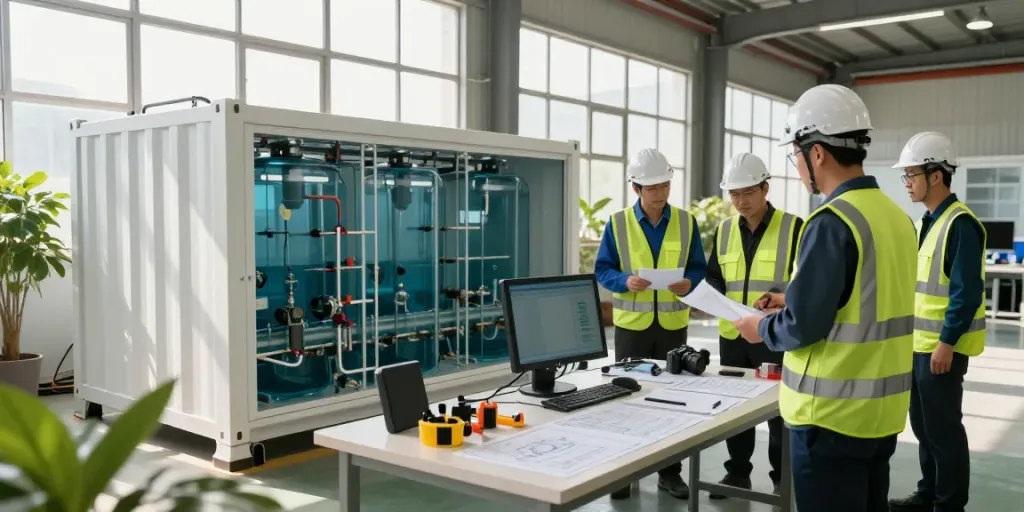
Containerized water treatment systems are prefabricated units that can be deployed rapidly to treat water in diverse environments. Their design allows for quick installation, typically taking just a few days, compared to traditional systems that may require several months of civil engineering and construction. By integrating advanced technologies such as reverse osmosis (RO) and ion exchange, these systems ensure high-quality water output suitable for various applications.
One of the primary advantages of containerized systems is their capacity to operate independently. They can function as stand-alone units capable of producing potable water from various water sources, including rivers, lakes, and ground sources, regardless of their initial quality. This capability is particularly advantageous for remote locations where access to clean water is limited.
Advantages Over Traditional Systems
Containerized systems offer numerous advantages when compared to traditional water treatment facilities. Here are some of the most significant benefits:
- Speed of Deployment: Containerized systems can be operational within 3-7 days, drastically reducing the time needed to provide purified water in emergencies or new developments.
- Space Efficiency: They require minimal ground space, often needing just a level area for setup, thus saving up to 50% of the floor space required by traditional systems.
- Quality Control: Factory prefabrication ensures standardized quality through controlled inspection processes, enhancing reliability and performance.
- Intelligent Control Systems: Equipped with real-time monitoring, containerized systems allow for remote operation and management, leading to increased operational efficiency.
- High Reusability Rate: These systems have a migration and reusability rate exceeding 90%, making them a sustainable choice for ongoing water treatment needs.
- Resource Recycling: Containerized systems can integrate reclaimed water reuse modules, boasting a resource recycling rate of up to 80%, which is substantially higher than traditional facilities.
Key Components and Technologies
Containerized water treatment systems incorporate various technologies and components that enable them to purify water efficiently. Among the key technologies are:
- Reverse Osmosis (RO): A critical technology for desalination and purification, RO systems effectively remove contaminants from water, producing high-quality output suitable for drinking and industrial applications.
- Electrodeionization (EDI): Often combined with RO, EDI provides an additional purification layer, particularly crucial for industries requiring ultra-pure water.
- Filtration Systems: These systems utilize various filters, including sediment, carbon, and UV filters, to ensure comprehensive contaminant removal.
- Intelligent Monitoring Systems: Advanced digital systems enable operators to monitor water quality and system performance in real-time, ensuring operational integrity and compliance with health standards.
Core Benefits of Water Treatment Systems Supplier Solutions
Enhanced Flexibility and Mobilization
The inherent design of containerized water treatment systems allows for greater flexibility and mobility. This versatility is crucial for municipalities and industries that may require temporary or scalable solutions. Whether for emergency relief efforts after natural disasters or for supporting major construction projects, these systems can be relocated and redeployed with minimal effort, ensuring that clean water is always accessible where it is needed most.
Reduced Deployment Time and Costs
One of the most compelling advantages of containerized systems is their significantly reduced deployment time and associated costs. Traditional water treatment facilities require extensive construction efforts, which can lead to delays and increased budgetary constraints. Conversely, containerized solutions can be operational within a week, with far fewer logistical challenges. Moreover, their prefabricated nature often translates to lower labor costs and reduced environmental impact.
Environmental Sustainability and Resource Recycling
Modern water treatment systems are increasingly focused on sustainability. Containerized systems, with their ability to integrate reclaimed water reuse modules, support environmental conservation by maximizing resource use and minimizing waste. This aligns with global sustainability goals and helps industries and municipalities meet regulatory requirements regarding water management and environmental impact.
Implementing Containerized Systems in Various Industries
Municipal Water Treatment Applications
In municipal settings, containerized water treatment systems can significantly enhance the delivery of safe drinking water, particularly in areas prone to contamination or where infrastructure is lacking. They can serve as temporary installations in disaster-stricken areas, providing vital access to purified water for displaced populations.
Industrial Water Needs and Solutions
Many industries, including pharmaceutical, food and beverage, and electronics, require high-purity water for their operations. Containerized systems offer these sectors the reliability needed to ensure product quality while maintaining efficiency. By providing ultra-pure water directly at the point of use, operations can reduce waste and lower costs associated with transportation and storage of pre-treated water.
Utilization in Remote Locations
In remote or underserved regions, containerized water treatment systems are invaluable. They provide a practical solution for areas without reliable access to clean water sources, helping communities establish independence from central supply systems. Furthermore, they can be tailored to meet specific local needs, ensuring that water treatment aligns with the unique water quality challenges present.
Best Practices for Choosing a Water Treatment Systems Supplier
Assessing Quality and Compliance Standards
When selecting a water treatment systems supplier, it is crucial to evaluate their adherence to quality and compliance standards. This includes certifications demonstrating that their systems meet industry regulations and safety requirements. Look for suppliers who utilize state-of-the-art technology and have a track record of successful installations in similar environments.
Evaluating Supplier Experience and Reputation
Experience matters in the water treatment industry. Suppliers with a solid reputation and extensive experience are more likely to understand the complexities of different water sources and the necessary treatments. Research customer reviews, case studies, and testimonials to assess their standing in the market.
Understanding Long-Term Support and Maintenance Options
Long-term support and maintenance are critical components of a successful water treatment system. Inquire about the supplier's maintenance services, warranty options, and support structure. A supplier committed to long-term partnership will offer training, remote monitoring, and technical assistance as needed to keep systems operational.
Future Trends in Water Treatment Systems for 2026 and Beyond
Technological Innovations on the Horizon
The water treatment industry is on the brink of significant technological advancements. Innovations such as artificial intelligence (AI) and machine learning are set to revolutionize monitoring and optimization processes, enabling even greater efficiencies in water purification and management. These developments can lead to more adaptable systems capable of self-adjusting according to varying water quality inputs.
Market Predictions and Evolving Consumer Needs
As consumer awareness of water quality issues rises, market demand for high-efficiency and sustainable water treatment solutions is expected to grow. Suppliers must stay ahead of trends, continuously innovating to meet changing consumer preferences and regulatory requirements.
Impact of Regulatory Changes on Supply Chains
Regulatory changes can have profound impacts on the water treatment landscape. Suppliers must be prepared to adapt swiftly to new laws and standards, ensuring compliance while continuing to provide high-quality solutions. This adaptability is crucial for maintaining a competitive edge in a rapidly evolving marketplace.
What are the key benefits of using containerized water treatment systems?
Containerized water treatment systems provide significant advantages, including swift deployment, space efficiency, high-quality water production, and enhanced sustainability through resource recycling. These benefits make them an ideal choice for various industries and applications.
How do containerized systems compare to traditional installations?
Containerized systems offer markedly shorter deployment times, greater flexibility, and lower overall costs compared to traditional installations, which often demand extensive construction and civil engineering efforts.
What industries benefit most from portable water treatment solutions?
Industries such as pharmaceuticals, food and beverage, construction, and disaster relief are among those that benefit significantly from portable water treatment solutions due to their high demand for purity, reliability, and rapid deployment capabilities.
What should I consider when selecting a water treatment systems supplier?
Consider factors such as quality assurance, supplier experience, market reputation, and post-installation support when choosing a water treatment systems supplier. These elements are essential for ensuring a reliable and effective water treatment solution.
What are the emerging trends in water treatment for 2026?
Emerging trends for 2026 include advancements in AI and automation, increased focus on sustainability, and a growing emphasis on regulatory compliance, encouraging suppliers to innovate continually in their offerings.