Understanding Panafrican Equipment and Its Offerings
Panafrican Equipment is a prominent leader in the heavy equipment industry across Africa, specializing in the sales and after-sales support of high-quality machinery from renowned OEMs like Komatsu, Metso, and AGCO. The company has made a significant impact in sectors such as construction, mining, and agriculture by providing machinery that enhances productivity and efficiency. When exploring options, Panafrican Equipment provides comprehensive insights into available services and products that cater to the diverse needs of its clients.
What is Panafrican Equipment?
Panafrican Equipment Group has established itself as a vital player in the African market, offering advanced equipment solutions tailored to the continent's unique challenges. Founded to deliver superior machinery and support services, Panafrican has developed a reputation for quality and reliability. The company operates in numerous African countries, including Nigeria, Kenya, and Tanzania, ensuring that it meets the needs of various industries effectively.
Core Equipment Types and Their Applications
The primary offerings from Panafrican Equipment include a wide range of machinery, such as:
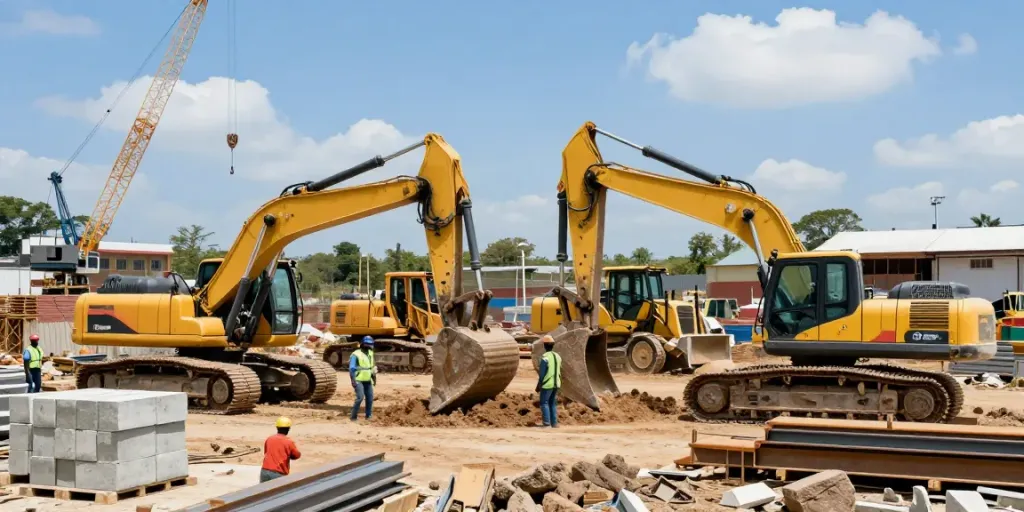
- Excavators: Ideal for digging and demolition tasks, these machines are essential in both construction and mining operations.
- Bulldozers: These are used for earthmoving and grading, helping prepare sites for construction projects.
- Loaders: Perfect for loading materials, they are commonly found in quarrying and bulk material handling.
- Crushers: Used for crushing rocks and materials, they play a crucial role in the mining and recycling sectors.
- Road Pavers: Essential for constructing and maintaining roads, these machines help improve transportation networks.
Each equipment type is designed with specific applications in mind, ensuring that clients find the right tools to boost their operational efficiencies.
Comparative Analysis with Competitors
Given the highly competitive nature of the heavy equipment market in Africa, Panafrican maintains a competitive edge through its strategic alliances with leading manufacturers. Unlike some competitors, Panafrican focuses not only on sales but also provides extensive after-sales support, including maintenance services, training, and parts availability. This commitment to customer success gives them an advantage, enhancing client loyalty and retention rates. Furthermore, their team of experienced professionals is adept in understanding and addressing the regional challenges faced by customers, a key differentiator in the market.
Optimizing Equipment for Efficiency in Projects
Maximizing the efficiency of machinery is critical for any project, especially in industries that operate under tight deadlines and budgets. Proper equipment management can lead to reduced operational costs and increased productivity.
Best Practices for Equipment Maintenance
Regular maintenance is essential to ensure that equipment operates at peak performance. Best practices include:
- Scheduled Inspections: Regularly checking machinery for wear and tear helps prevent unexpected breakdowns.
- Proper Training: Ensuring operators are well-trained on equipment handling can significantly reduce accidents and damages.
- Keeping Records: Tracking maintenance activities allows for better planning and timely repairs.
Real-world Examples of Effective Equipment Usage
Several projects have successfully implemented Panafrican Equipment to achieve their goals. For instance, a construction company in Nigeria utilized Panafrican's excavators and bulldozers for a large-scale infrastructure project. The equipment's efficiency allowed the team to complete the project two weeks ahead of schedule, showcasing how reliable machinery contributes to significant time and cost savings.
Strategies to Minimize Downtime
Minimizing equipment downtime is crucial for maintaining productivity. Strategies include:
- Utilizing Advanced Monitoring Systems: These systems can alert operators and managers to potential issues before they become severe.
- Communicating with Suppliers: Maintaining a good relationship with equipment suppliers like Panafrican ensures that parts and maintenance services are readily available.
- Emergency Preparedness: Having a plan in place for unexpected equipment failure can drastically reduce response times.
Choosing the Right Equipment for Your Needs
Selecting the appropriate machinery is a fundamental step towards project success. The right equipment will not only align with project requirements but also enhance overall productivity.
Factors to Consider When Selecting Equipment
- Project Scope: Understanding the scale and timeline of the project can help determine the necessary machine specifications.
- Terrain Type: Different terrains may require specialized equipment to navigate effectively.
- Budget Constraints: Assessing total cost of ownership, including maintenance and operational costs, is essential.
Case Studies Demonstrating Successful Equipment Choices
An agricultural project in Kenya effectively utilized Panafrican's tractors and harvesters, resulting in a 30% increase in crop yields. By selecting the right machinery tailored to their operational needs, the farmers were able to enhance productivity and reduce manual labor costs significantly.
How to Assess Equipment Performance Metrics
To evaluate equipment performance, consider the following metrics:
- Utilization Rates: Measure how often equipment is in use versus its availability.
- Maintenance Costs: Track expenses related to repairs and upkeep to understand total costs.
- Production Output: Assess how much product is created or moved compared to the expected output.
Future Trends in the Heavy Equipment Industry
The heavy equipment industry is continually evolving, driven by technological advancements and changing market demands. Staying informed about these trends is essential for businesses aiming to remain competitive.
Technology Innovations Impacting Panafrican Equipment
Emerging technologies such as AI, IoT, and machine learning are starting to be integrated into heavy machinery. These innovations facilitate real-time monitoring and predictive maintenance, which can lead to significant reductions in downtime and maintenance costs for operators of Panafrican Equipment.
Market Predictions for Heavy Machinery in 2026
The global market for heavy machinery is set to expand significantly, with projections estimating growth rates of approximately 5.4% by 2026. This growth will be fueled by increased construction activity, particularly in developing regions and a rising demand for sustainable equipment solutions.
Sustainability Practices in Equipment Manufacturing
As environmental concerns gain prominence, sustainable practices in equipment manufacturing are becoming standard. Panafrican Equipment is actively aligning its operations with green initiatives by promoting energy-efficient machines and implementing recycling programs in the manufacturing process.
Frequently Asked Questions about Panafrican Equipment
What types of equipment does Panafrican offer?
Panafrican offers a diverse lineup of heavy machinery, including excavators, bulldozers, loaders, and more, suited for various industries like construction, mining, and agriculture.
How does Panafrican Equipment support its customers?
Panafrican provides extensive after-sales services, including technical support, maintenance training, and parts availability to ensure that customers can rely on their equipment for optimal performance.
What industries benefit from using Panafrican Equipment?
Industries such as construction, mining, agriculture, and environmental management significantly benefit from the robust machinery and support provided by Panafrican Equipment.
How can I improve the lifespan of heavy machinery?
Regular maintenance, proper operation, and investing in training for staff can greatly enhance the lifespan of heavy machinery.
What financing options are available for purchasing equipment?
Panafrican Equipment provides various financing options, tailored to meet the needs of its customers, making it easier for businesses to acquire the machinery they need to thrive.