Introduction to Automatic Bag Palletizer Machines
In today's fast-paced manufacturing world, efficiency and automation have become paramount for businesses looking to maintain competitiveness. One of the standout innovations in this arena is the automatic bag palletizer machine. This equipment significantly enhances the palletizing process by automating the stacking of bags, thereby reducing labor costs and increasing production efficiency. For manufacturers, adopting such technology is not merely a luxury; it has become a necessity for optimizing operational workflow and enhancing productivity.
The automatic bag palletizer machine offers solutions for varying bag sizes and materials, making it an adaptable choice for diverse business needs. In this article, we will delve into the functionalities, advantages, cost considerations, and future trends of automatic bag palletizers, particularly focusing on Durzerd’s state-of-the-art technology.
What is an Automatic Bag Palletizer Machine?
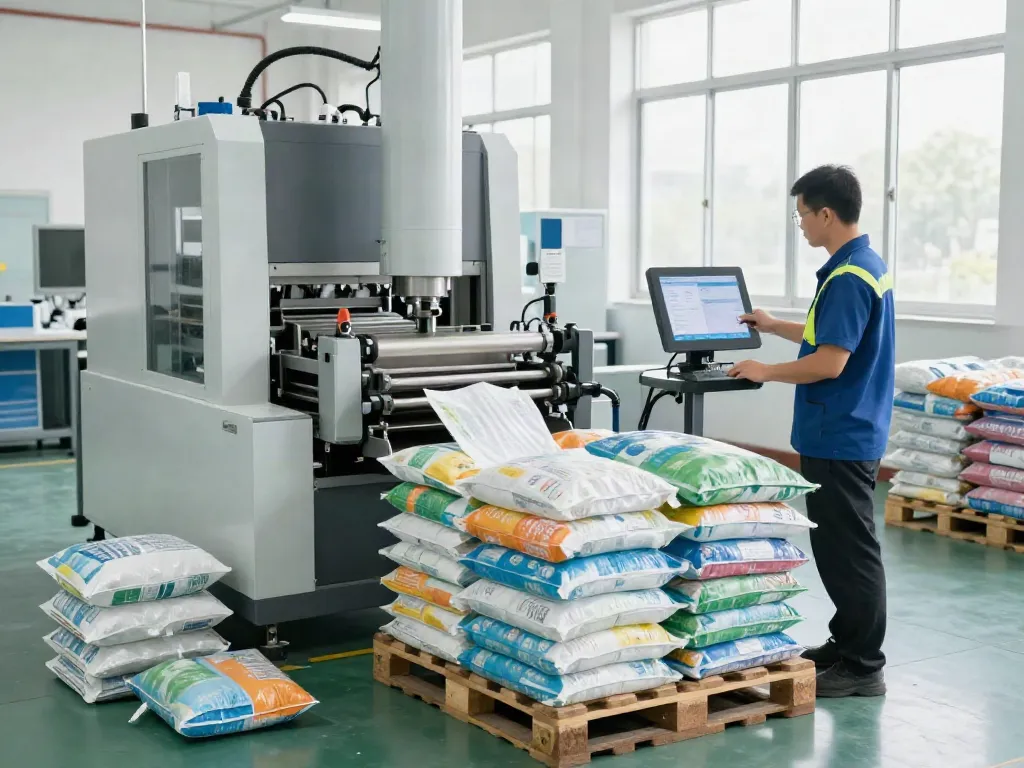
An automatic bag palletizer is a sophisticated industrial machine designed to automate the process of stacking bags onto pallets. These machines are equipped with advanced robotics and software that allow for precise and high-speed operations. The automatic bag palletizer can handle different types of bags, including open-mouth bags and those used in FFS (form-fill-seal) packaging systems. By minimizing manual labor, these machines not only enhance safety but also improve the overall efficiency of the production line.
Benefits of Using Automatic Bag Palletizers
- Increased Productivity: Automatic bag palletizers operate at much higher speeds than manual processes, allowing companies to manage larger volumes of product.
- Consistency and Accuracy: The precision of an automatic palletizer ensures that bags are stacked uniformly, reducing the chance of errors and inconsistencies.
- Labor Cost Reduction: By automating the palletizing process, companies can reduce labor costs associated with manual stacking, training, and injuries.
- Space Optimization: Modern automatic bag palletizers are designed to occupy less floor space while maximizing output efficiency.
- Flexibility: These machines can be programmed to handle various bag sizes and types, making them a versatile addition to any production line.
Overview of Durzerd's Bag Palletizer Technology
Durzerd's bag palletizer machines are at the forefront of bagging technology. Since 2005, we have focused on creating open-mouth bagging machines and FFS packaging lines that integrate seamlessly with our palletizing systems. Our machines are designed with cutting-edge technology, featuring user-friendly interfaces that simplify operation and maintenance. Whether you need a solution for small-scale production or a high-capacity palletizing system, Durzerd offers tailored solutions to meet your unique business needs.
Efficiency and Productivity Improvements
Comparing Automatic vs. Manual Bag Palletizing
The debate between manual and automatic bag palletizing is prevalent among manufacturers. Manual processes can slow down production due to human error and variability in performance. In contrast, automatic bag palletizers consistently deliver high throughput. For instance, an automatic palletizer can stack up to 25 bags per minute, whereas a skilled worker typically manages only 10-15 bags per minute with breaks and fatigue considered. This stark contrast highlights the efficiency gains that businesses can achieve with an automatic solution.
Factors Influencing Production Efficiency
Several factors can impact the efficiency of a bag palletizing operation, including:
- Machine Speed: The speed of the palletizer directly correlates to how many bags it can process in a given timeframe.
- Bag Size and Weight: Different bag specifications may require adjustments in the palletizing process, influencing overall efficiency.
- Automation Integration: The ease with which the palletizer integrates with existing packing lines can affect workflow and productivity.
- Operator Training: Well-trained operators maximize the machine’s capabilities and minimize downtime.
Real-World Case Studies of Increased Productivity
Durzerd has helped numerous businesses transition from manual to automated bag palletizing, resulting in significant productivity boosts. For example, a beverage company that implemented our automatic bag palletizer reported a 40% increase in production efficiency within the first quarter, ultimately allowing them to meet growing market demands without additional labor costs. Such real-world applications illustrate the tangible benefits of investing in automated systems.
Cost Analysis of Bag Palletizing Solutions
Initial Investment vs. Long-Term Savings
Investing in an automatic bag palletizer may seem like a considerable upfront cost; however, it is essential to consider the long-term savings it can generate. These machines typically pay for themselves within a few years through labor savings, increased output, and reduced waste. A detailed cost-benefit analysis is crucial for businesses to understand the impact of their investment on overall profitability.
Operational Costs of Automatic Bag Palletizers
Operational costs encompass energy consumption, maintenance, and the potential need for periodic software updates. Durzerd's machines are designed for energy efficiency, helping customers lower utility bills over time. Additionally, routine maintenance is simplified through intuitive design, ensuring consistent performance with minimal downtime.
Understanding ROI in Bagging Operations
Calculating the return on investment (ROI) involves considering the initial cost of the machine, ongoing operational costs, and potential gains in productivity and sales. By analyzing these factors, manufacturers can determine the break-even point for their investment. Tools like automated reporting and productivity tracking can help visualize this data and facilitate informed business decisions.
Implementation Best Practices
Steps to Integrate a Bag Palletizer into Your Workflow
Successfully integrating an automatic bag palletizer into an existing workflow requires careful planning and execution. Here are some best practices:
- Assess Current Processes: Evaluate where automation can provide the most significant benefits within your production line.
- Choose the Right Equipment: Select a bag palletizer that meets your specific operational needs and production capacity.
- Plan the Layout: Ensure that the new machine fits well within the current workflow to optimize efficiency.
- Trial Runs: Conduct trial runs to ensure that the system operates as expected before full-scale implementation.
Training Employees on New Equipment
Investing in employee training is vital when introducing new automation technology. Comprehensive training programs should cover operational procedures, safety protocols, and troubleshooting practices to minimize errors and maximize productivity. Engaging employees in the transition process can also increase their adaptability to change.
Maintenance and Troubleshooting Tips
Regular maintenance is essential for the longevity and efficiency of bag palletizers. Scheduled inspections, timely replacement of worn parts, and software updates are critical components of a maintenance plan. Additionally, having a troubleshooting guide can empower operators to address minor issues swiftly, ensuring minimal disruption to production.
Future Trends in Bag Palletizing Technology
Emerging Innovations in Automated Systems
The future of bag palletizing technology is set to be shaped by advancements in robotics, artificial intelligence (AI), and the Internet of Things (IoT). Smart palletizers that adapt to changing production environments and analyze operational data in real time are already coming to market. These innovations promise to further streamline operations and enhance productivity.
Sustainability Practices in Packaging Industry
As environmental concerns continue to rise, the packaging industry is increasingly focusing on sustainable practices. Manufacturers are exploring eco-friendly materials and processes, and automated bagging and palletizing solutions are pivotal in reducing waste. Equipment that optimizes material usage helps companies meet sustainability goals while maintaining productivity.
Expectations for Bag Palletizing in 2026
By 2026, we can expect substantial growth in the adoption of automated bag palletizing solutions across various sectors. Market dynamics will likely push manufacturers to seek out technologies that not only improve efficiency but also promote sustainability and adaptability. Companies that invest in next-generation palletizing systems now will be well-positioned to thrive in the evolving landscape.
How much does a robotic palletizer cost?
The cost of robotic palletizers varies significantly based on factors such as capabilities, production volume, and customization requirements. While basic models may cost in the range of tens of thousands of dollars, more advanced systems with high capacities can exceed $100,000. Businesses should conduct thorough market research to find the best fit for their budget and needs.
What are the best automated bagging systems?
Identifying the best automated bagging systems involves evaluating various factors such as reliability, flexibility, and speed. Leading manufacturers like Durzerd offer a range of machines tailored for different industries, providing companies with the tools they need to enhance their operations efficiently.
What are the different types of palletizer machines?
Palletizers can be categorized into robotic, conventional, and hybrid systems. Robotic palletizers are known for their flexibility and ability to handle various products, whereas conventional palletizers are typically more rigid but can handle larger volumes efficiently. Hybrid systems combine elements of both, offering the best of both worlds depending on production requirements.
What is palletizing automation?
Palletizing automation refers to the use of machines to automate the process of stacking products onto pallets for storage or shipping. This technology significantly enhances efficiency, reduces manual labor, and minimizes errors, making it a vital component in modern manufacturing operations.
Why should I invest in an automatic bag palletizer machine?
Investing in an automatic bag palletizer machine not only streamlines the packaging process but also leads to substantial cost savings, improved safety, and increased productivity. By automating repetitive tasks, companies can focus their workforce on higher-value activities, ultimately contributing to overall growth and success.