Understanding Precision CNC Machining
In the rapidly evolving landscape of manufacturing, precision CNC machining stands out as a cornerstone of operational excellence. This advanced manufacturing process utilizes computer-controlled machines to produce highly accurate parts and components from a variety of materials. Since its inception, CNC machining has transformed how industries approach production, offering unparalleled consistency, efficiency, and adaptability in creating intricate designs.
As a leading precision cnc machining supplier, Honscn has been committed to providing superior services since 2003, prioritizing quality assurance and customer satisfaction. This article delves into the nuances of precision CNC machining, helping manufacturers understand its significance and how to choose the right supplier for their specific needs.
What is Precision CNC Machining?
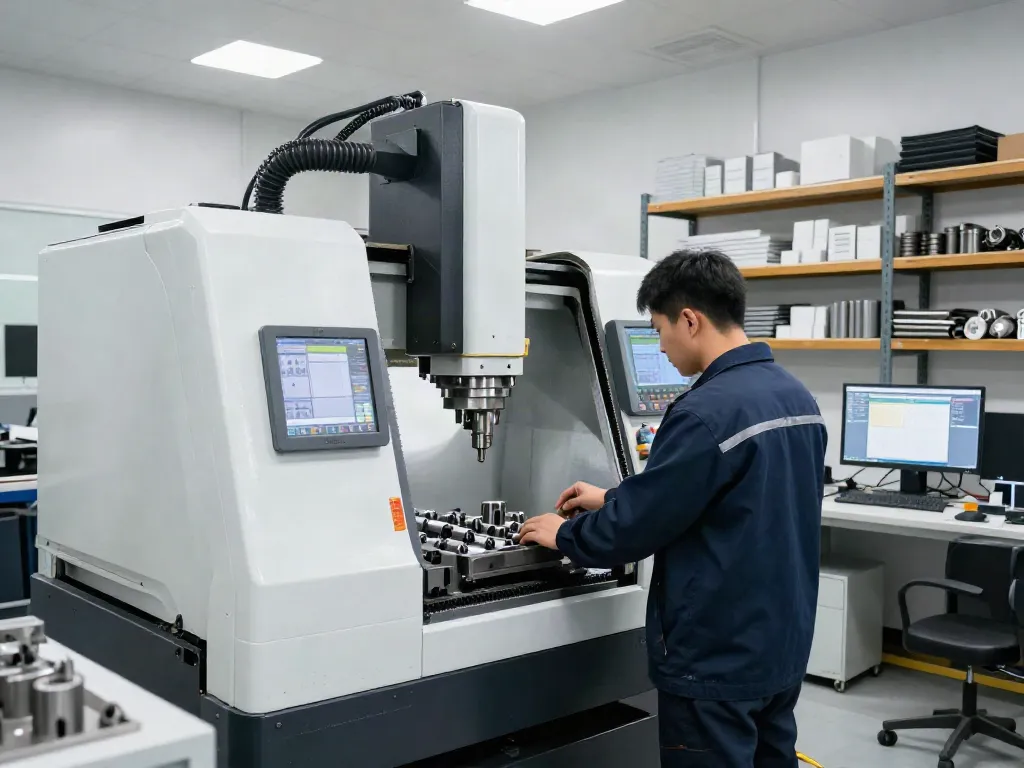
Precision CNC (Computer Numerical Control) machining refers to the use of computer systems to control machining tools like lathes, mills, routers, and grinders. The precision aspect indicates the capability of these machines to create components that adhere to strict tolerances and specifications. This machining technique allows for the production of intricate shapes and patterns that would be nearly impossible to achieve using traditional machining methods.
Key Technologies in CNC Machining
- CNC Milling: This process involves rotating multi-point cutting tools to remove material from a workpiece, creating complex shapes.
- CNC Turning: Utilizing a lathe machine, this technique rotates the workpiece against a stationary cutting tool, ideal for cylindrical parts.
- 3D Printing Integration: Many CNC machining suppliers incorporate additive manufacturing for prototyping, which allows for rapid development and testing of designs.
- Automation and Robotics: Advanced CNC machines are increasingly automated, leading to higher production rates and lower labor costs.
Benefits of Precision CNC Machining for Manufacturers
Manufacturers across various sectors reap multiple benefits from precision CNC machining:
- High Accuracy: CNC machines can achieve tolerances of up to ±0.001 inches or even tighter, ensuring components fit perfectly in their applications.
- Scalability: Once a design is programmed into the CNC system, it can be replicated thousands of times with minimal waste.
- Versatility: CNC machines can work with various materials, including metals, plastics, and composites, making them suitable for a wide range of industries.
- Cost-Effectiveness: Although initial setup costs can be high, the long-term savings from reduced labor and minimized waste make it economically viable.
Choosing the Right CNC Machining Supplier
Identifying the right CNC machining supplier is crucial for ensuring quality and consistency in production. With numerous options available, manufacturers must evaluate potential suppliers carefully.
Factors to Consider When Selecting a Supplier
- Experience and Reputation: Choose a supplier with a proven track record in the industry. Research their history and client testimonials.
- Capabilities: Ensure that the supplier has the necessary equipment and technology to meet your specific requirements.
- Quality Assurance Measures: A reliable supplier should implement rigorous quality control protocols to guarantee defect-free products.
- Lead Times: Fast and reliable delivery schedules are essential for keeping production timelines on track.
Questions to Ask Your CNC Machining Supplier
When evaluating potential suppliers, consider asking the following questions:
- What types of materials do you work with?
- Can you provide samples of previous work?
- What quality control processes do you have in place?
- What is your turnaround time for projects of various sizes?
Evaluating Supplier Capabilities and Certifications
Before finalizing a supplier, ensure they possess relevant certifications, such as ISO 9001, which indicates adherence to international quality management standards. Additionally, assess their machine capabilities, including their tolerance levels, types of CNC machines available, and the technology they employ.
Common Applications of Precision CNC Machining
Precision CNC machining finds applications across numerous industries including aerospace, automotive, medical, and electronics. Its versatility allows it to cater to a wide array of manufacturing needs.
Industries Benefiting from CNC Machining
- Aerospace: Parts must meet strict safety regulations, making precision crucial.
- Automotive: Companies rely on CNC machining for manufacturing engine components and customized parts.
- Medical Devices: The healthcare industry uses machined components in devices that require unmatched precision.
- Electronics: High-performance components often require intricate designs only achievable through CNC machining.
Real-World Examples of Precision Machined Parts
Some common examples of precision machined parts include:
- Gear Sets: Essential for mechanical systems, requiring precise tolerances.
- Housings: Protective cases for electronic devices, which must fit components snugly.
- Surgical Instruments: Tools that must be exact to ensure patient safety.
Case Studies: Successful Implementations
Companies that have successfully integrated CNC machining into their manufacturing processes often report significant improvements in both production speed and product quality. For instance, an automotive manufacturer may utilize CNC technology to produce engine components that significantly reduce weight while improving performance.
Quality Assurance in CNC Machining
The cornerstone of successful CNC machining lies in quality assurance. Consistently producing high-quality parts requires strict adherence to quality control practices.
Importance of Quality Control in Machining
Quality control is paramount in CNC machining. It ensures that each component meets the required standards, reducing the likelihood of defects and failures during operation. A solid quality assurance plan helps in tracking processes, ensuring compliance, and maintaining high production standards.
Measuring Precision: Tools and Techniques
Measuring precision in CNC machining involves several advanced tools and techniques to verify that parts conform to specifications:
- Calipers: Used for measuring dimensions with high accuracy.
- Coordinate Measuring Machines (CMM): These machines allow for automatic inspection of parts by measuring their physical geometrical characteristics.
- Optical Comparators: Useful for verifying part shapes and dimensions through magnification.
Implementing Industry Standards and Best Practices
Manufacturers should aim to adopt industry standards such as AS9100 for aerospace or ISO 13485 for medical devices, depending on their market segment. Following these standards not only enhances product quality but also builds trust with clients and partners.
The Future of CNC Machining: Trends for 2026
The CNC machining landscape is continuously evolving, driven by technological advancements and changing market demands. As we move toward 2026, several trends are expected to shape the industry significantly.
Innovations Shaping the CNC Machining Landscape
Emerging technologies such as artificial intelligence, machine learning, and automation are set to redefine CNC machining operations. These advancements enhance production efficiency and reduce human error.
Implications of Artificial Intelligence in CNC Machining
AI algorithms can analyze vast amounts of operational data to optimize machining processes, predict maintenance needs, and enhance quality control. This integration enables a shift toward smarter manufacturing environments where machines can autonomously adjust their operations based on real-time feedback.
Preparing for Changes in Market Demands and Technologies
Manufacturers need to stay ahead of the curve by continually assessing technology trends, market dynamics, and customer preferences. Being adaptable and open to integrating new technologies will be essential for sustaining competitiveness in the precision CNC machining market.
What are the advantages of precision CNC machining?
Precision CNC machining offers numerous advantages, including high accuracy, repeatability, and the ability to work with complex geometries. It also allows for reduced waste and enhanced efficiency, vital for any competitive manufacturing operation.
How do I choose a reliable CNC machining supplier?
When selecting a CNC machining supplier, consider their experience, capabilities, quality assurance measures, and customer reviews. Engaging with potential suppliers through inquiries about their processes can also provide insights into their operations.
What materials are commonly used in CNC machining?
CNC machining can work with a wide array of materials, including metals like aluminum, steel, and titanium, as well as plastics and composites. The choice of material often depends on the specific application and required properties.
How do I ensure the quality of CNC machined parts?
Ensuring quality involves implementing rigorous quality control processes, using advanced measuring tools, and adhering to industry standards throughout the production process.
What trends should I expect in CNC machining by 2026?
By 2026, expect trends like increased automation, the integration of AI in production, and sustainability efforts within manufacturing processes to gain prominence.